

Yes, an assumable loan may let a buyer take over existing SBA debt in a Georgia business sale, subject to lender approval and applicable SBA rules. Requirements vary by loan program and deal structure, and some transfers require SBA approval and prior written approval. An SBA loan assumption doesn’t automatically release the seller from personal liability.
That distinction matters, folks. A favorable loan can help a deal come together, but both sides need clear written terms in a written agreement before ownership changes hands. Confirm the loan terms and what happens to the seller after closing.
SBA loan assumption: key takeaways
An assumption puts an approved new borrower in charge of existing debt. It can preserve useful financing, but it doesn’t provide additional money for the purchase price or operating expenses.
If you’re evaluating a business for sale in Pooler, an attractive monthly payment is only part of the picture.
- The buyer must qualify financially and demonstrate the ability to operate the business.
- The lender must approve the transfer, and certain actions require the SBA’s written approval.
- The seller remains responsible unless the applicable borrower obligations and personal guarantees are expressly released.
Georgia follows federal SBA program rules. Local details, including leases, property transfers, and closing documents, still need attention.

Who must approve a 7(a) loan assumption?
For a loan assumption, start with the lender servicing the existing SBA 7(a) loan. The buyer and seller can’t transfer the debt through their purchase agreement alone.
The lender processes the request under SBA loan-servicing procedures. The approval path depends in part on whether the original borrower is released. Confirm the required documents and servicing steps with the lender under current SBA rules.
| Proposed action | Approval or notification requirement |
|---|---|
| Assume a 7(a) loan without releasing the original borrower | Lender approval, followed by SBA notification through E-Tran |
| Assume a 7(a) loan and release the original borrower | SBA prior written approval |
| Lender sells more than 90% of the loan | SBA prior written approval |
| Lender sells less than 90% of the loan | Notice to the appropriate SBA center |
| Lender assigns the loan | SBA approval in advance, typically documented through a Transfer of Participation Agreement |
Those loan-sale percentages concern the lender’s interest in the debt. They don’t measure the ownership percentage you’re purchasing in the business.
An assignment changes who holds the loan. An assumption changes who owes it. Keeping those terms separate helps clarify which approval the parties need.
The assumption agreement must be signed by all parties and include a due on sale or death clause. This due-on-sale clause prohibits a future assumption.
For sellers, borrower release and guarantor release require separate attention. A buyer’s promise to make payments doesn’t cancel your personal guarantee.
What must the buyer bring to the table?
Experience and repayment capacity
Lenders generally expect the new borrower to be the business’s primary owner, with management skills and experience comparable to or stronger than the current borrower’s.
A strong resume alone isn’t enough. The lender evaluates your operating plan, personal finances, reserves, and the company’s ability to repay the full debt.
Lenders commonly look for credit scores around 680 or higher. That’s a common underwriting benchmark, not a universal SBA assumption cutoff.
Clean tax returns, reliable financial statements, and a practical transition plan carry weight. Who handles purchasing? Who keeps key customers comfortable? Who runs operations after the seller leaves? Have those answers ready. Requirements and documentation can vary by loan program and transaction.
Collateral and business stability
An assumption can’t release collateral, reduce its recoverable value, or harm the business’s financial position.
The lender needs a complete picture of existing liens, pledged equipment, real estate, and other collateral. Moving valuable assets before closing can undermine the request.
A real estate contract that leaves title with the seller as security isn’t permitted as part of the assumption.
For leased businesses, the location matters too. A profitable company with an expiring lease can present a serious repayment risk. Georgia doesn’t have a blanket rule requiring every buyer to obtain a 10-year lease.
How does an SBA 504 assumption differ?
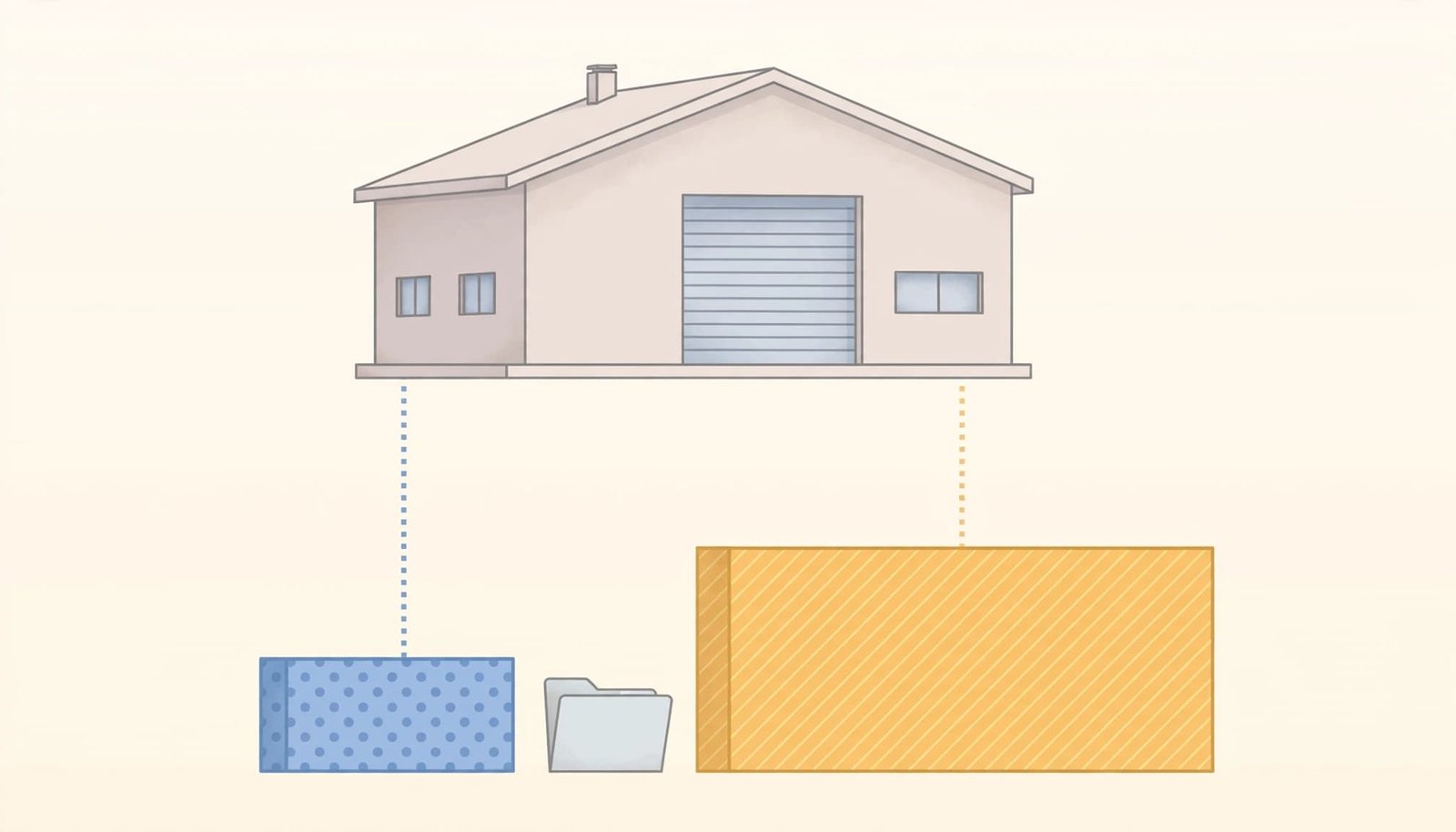
The CDC portion is a separate obligation
An SBA 504 loan project typically combines conventional first-mortgage financing with a separate loan through a Certified Development Company (CDC).
The assumption applies to the CDC-backed portion. The conventional lender’s balance needs its own payoff, refinancing, or separately approved arrangement. Assuming the CDC portion doesn’t automatically transfer or resolve that loan.
Federal regulations expressly require prior written approval for 504 assumptions.
Treat a 504 assumption as a one-time option. The future-assumption restriction matters when planning another ownership transfer.
If you’re considering commercial real estate for sale alongside the operating company, compare the entire financing structure. Our explanation of SBA 7(a) versus 504 financing separates business-acquisition needs from property financing.
Equity, insurance, and the document package
A 504 assumption requires current loans and an upfront payment for the seller’s equity. Insurance documentation must include the required mortgagee protection for SBA.
Prepare two years of tax returns, a balance sheet and profit-and-loss statement dated within 90 days, and recent UCC lien searches, commonly within six months.
Older 504 assumption checklists identify SBA Forms 912 and 770, plus Form 160 for corporations. Those form references aren’t a universal current checklist. Ask the CDC or lender to confirm the submission package, since requirements vary by program and transaction structure.
For CRE buyers, title, property insurance, occupancy, and existing liens belong in the same closing plan as the business transfer.
What does an SBA loan assumption cost?
The SBA charges no fee for assuming a 7(a) loan. The lender may charge an assumption fee capped at 1% of the outstanding principal balance when the assumption occurs.
For an SBA 504 loan, the borrower pays the CDC’s approved assumption fee. The CDC assumption-fee rule caps that charge at 1% of the outstanding principal being assumed.
Only a loan approved for transfer is an assumable loan. A loan assumption covers only part of the agreed purchase price.
For a $1 million purchase with $600,000 of assumed 7(a) debt, the arithmetic is:
| Purchase component | Amount |
|---|---|
| Agreed purchase price | $1,000,000 |
| Existing debt assumed | $600,000 |
| Remaining price payable to seller | $400,000 |
| Maximum 1% assumption fee | $6,000 |
| Cash requirement if the full fee applies | $406,000 |
That $406,000 excludes legal expenses, other closing costs, working capital, and purchase-price adjustments. Actual charges depend on the applicable requirements, and the seller’s proceeds can change because of other debts and taxes.
A low fee doesn’t necessarily mean a low-cash purchase, y’all. The equity gap can be substantial.
Compare the existing rate, remaining amortization, maturity, and any prepayment penalty against new acquisition financing. An older loan with a short remaining term can create a heavier payment than expected.
How do you move the transaction toward closing?
A clear sequence protects the buyer’s investment and the seller’s exit during a loan assumption.
- Identify every existing loan. Collect notes, guarantees, security agreements, collateral records, balances, payment histories, and prior assumption documents. Check each note for a due-on-sale clause.
- Present the proposed ownership structure. Show the buyer’s entity, ownership percentages, management responsibilities, and proposed guarantors.
- Submit the financial package. Include tax returns, interim statements, personal financial information, experience, projections, and the draft purchase agreement.
- Coordinate property and lease approvals. Address landlord consent, lease assignment, title, insurance, and any conventional real estate debt.
- Close after written approvals are complete. The assumption agreement, guarantees, releases, and purchase documents must describe the same transaction. Close only after prior written approval is in hand.
Approvals, timing, and required documents depend on the lender, applicable SBA rules, loan program, and transaction structure.
For planning purposes, a 60- to 90-day acquisition window is reasonable, but it isn’t a guaranteed assumption deadline. Incomplete records, collateral issues, and seller-release requests can extend the process.
Put an assumption contingency in the purchase agreement. It should address approval, acceptable financing terms, seller releases, deadlines, and what happens if approval doesn’t arrive, including whether the buyer can pursue refinancing or terminate under the agreed terms.
Buyers comparing commercial real estate for lease should review occupancy costs alongside debt payments. When evaluating CRE for lease, renewal options and landlord consent deserve early attention.
Our guide to Georgia SBA lease requirements explains why stable control of the location matters.
Frequently asked questions
Can a buyer assume an SBA EIDL loan?
Yes, a buyer can request approval to assume a COVID EIDL, but approval isn’t automatic. SBA lists assumption and change of ownership as separate servicing actions.
An equity sale can change who owns the existing borrower. An assumption can place the obligation with a different business entity. Those transactions aren’t interchangeable.
The SBA’s COVID-era servicing instructions provide the applicable request materials. A sale doesn’t, by itself, establish that every EIDL must be paid off, but any transfer or assumption is subject to applicable SBA approval conditions, including prior written approval where required.
Can the buyer or seller negotiate with the lender?
Yes. You can negotiate permitted fees, timing, additional security, and proposed seller-release terms. Approval remains subject to SBA requirements and the lender’s credit decision.
A performing-loan assumption doesn’t give the buyer a right to reduce principal. Debt settlement is a different process.
If assumption doesn’t work, refinancing, new acquisition financing, or properly structured seller financing may support another approach. Any seller note must fit the lender-approved transaction and repayment plan.
Build the deal around a clean transfer
A workable SBA loan assumption brings together a qualified buyer, supportable cash flow, protected collateral, and prior written approval. For the seller, written release must be documented because taking over the debt alone doesn’t end the seller’s financial obligations.
At B3 Brokers, we help buyers and sellers connect the financing structure with their transaction goals. As you evaluate a Georgia business sale, put existing debt and seller-liability questions on the table early.
The right agreement gives the buyer room to operate and the seller a clear understanding of what remains after closing.
We are Members of the Georgia Association of Business Brokers and Realtors, Commercial Alliance, Georgia Association of Realtors, and National Association of Realtors