
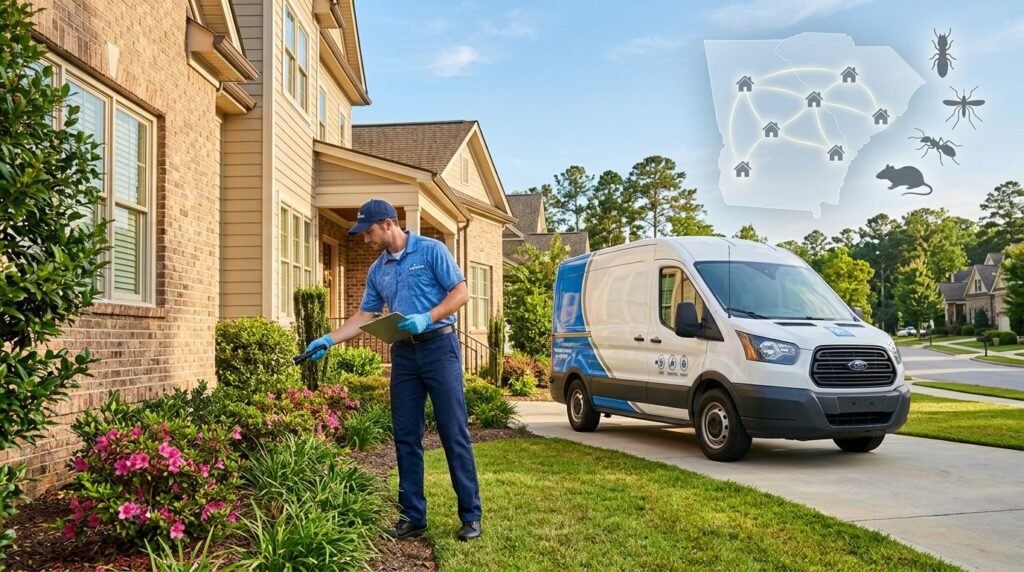
Want to buy a pest control business in Georgia or South Carolina? Then don’t fall in love with the first clean-looking listing you see. In this industry, steady routes beat flashy revenue every time.
That is especially true across the Southeast, where termites, mosquitoes, ants, and rodents do not take long vacations. If you buy the right company, you are not buying a logo, you are buying recurring customers, trusted technicians, and a route map that makes money on Tuesday morning, not only on paper.
Why Georgia and South Carolina are strong buyer markets
Georgia and South Carolina make sense for one simple reason, pests keep showing up. Warm weather, heavy rain, and year-round residential growth keep demand moving, and 2026 has already brought early spring pest pressure across metro Atlanta and nearby South Carolina markets.
That matters if you are shopping in Savannah, Pooler, Atlanta, Macon, Warner Robins, Brunswick, Dublin, Waycross, or over in Hilton Head. These are not random dots on a map. They are places where route density, housing growth, tourism, and commercial accounts can create a nice mix of recurring work and seasonal upside.
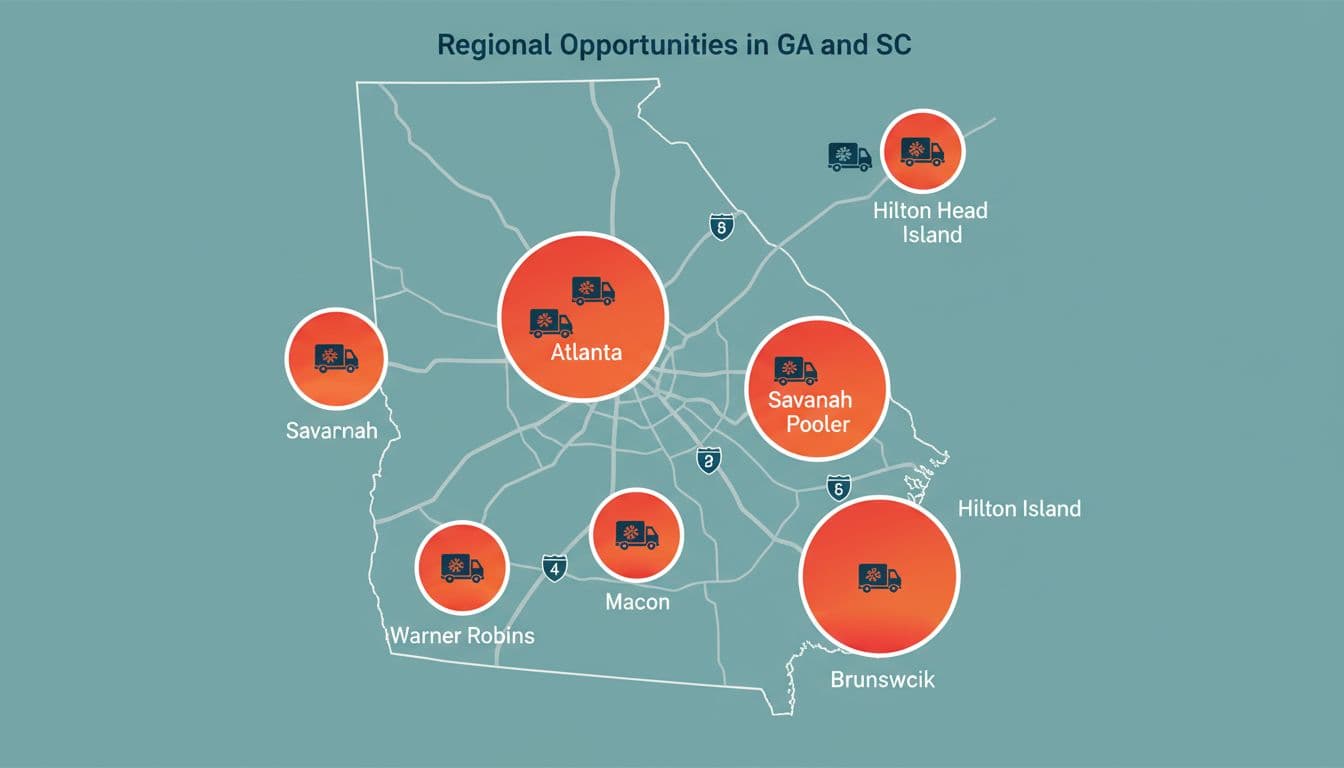
South Carolina’s pest control industry has kept growing through 2026, and buyers are still chasing operators with sticky customer bases. You can see the kind of deal activity that is out there in this Charleston County pest control listing. It is one example, not a shortcut to value, but it shows the market is active.
The bigger point is this, customers now expect fast replies, safer treatments, and easy scheduling. A company that already meets those expectations has a head start. A company that still runs on sticky notes and owner memory can become expensive fast.
What a good pest control acquisition looks like
A Business For Sale ad can make almost anything sound pretty. When you scan Businesses for Sale, look past the headline and ask a harder question, what are you really buying?
Start with route quality. Tight service areas beat scattered accounts. A Savannah and Pooler book may be worth more than a wider book with long windshield time. The same goes for Atlanta suburbs, Macon corridors, or coastal routes near Brunswick and Hilton Head. Less driving often means better margins, happier techs, and more room to grow.
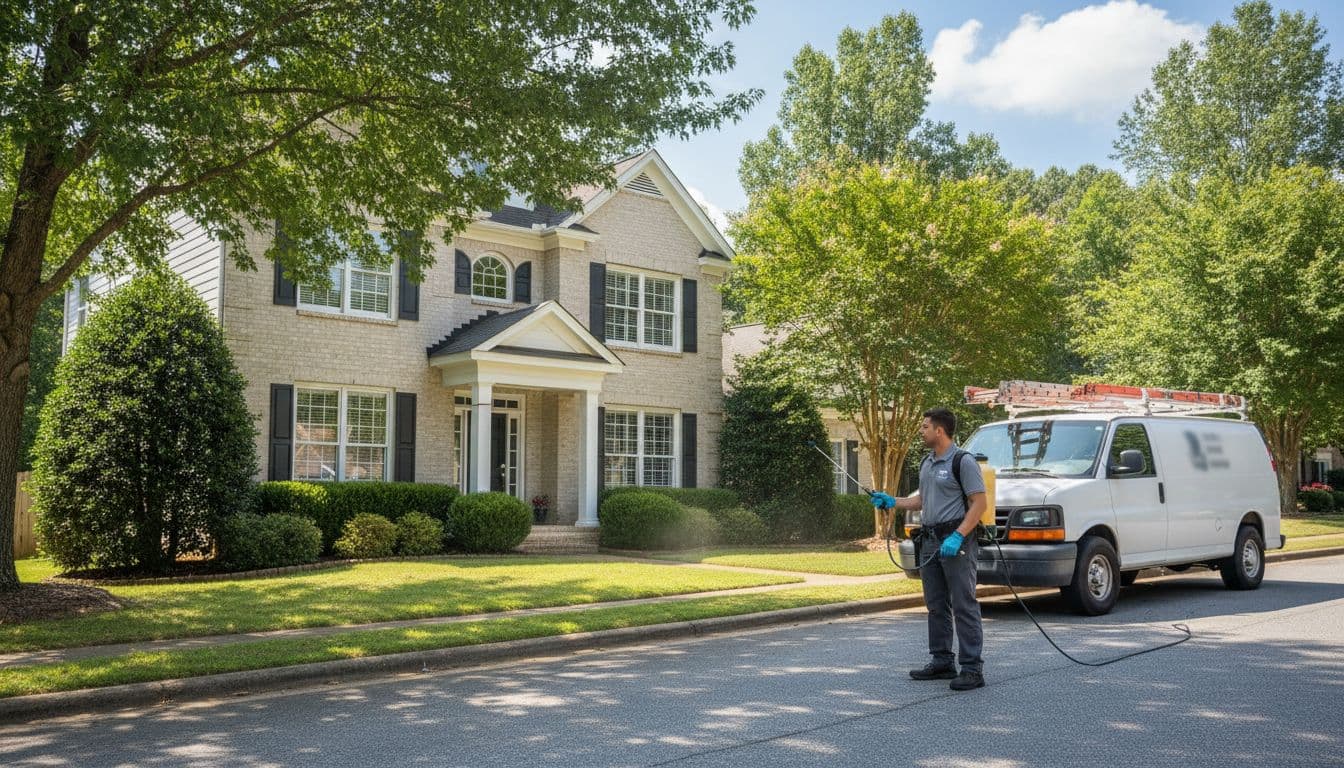
Then look at the customer base. Renewal-heavy residential work is gold. Termite contracts, mosquito programs, and commercial accounts can add strength, but only if the margins are real and the retention is solid. One big apartment contract can help. Five over-weighted contracts can scare a lender.
Buy the renewals, not the promises.
You also want to know who keeps the wheels turning. Are licensed technicians staying? Does the seller handle every estimate, every callback, every relationship? If the whole company lives inside one person’s cell phone, you are buying a job, not a business.
For comparison, small route-based deals do hit the market, including this operating Georgia franchise resale. It is a reminder that size alone does not tell the story. Quality does.
Pricing the deal without paying for hope
Pest control companies are attractive because recurring revenue makes lenders more comfortable. In 2026, strong operators are still getting healthy pricing, often around 4 to 8 times yearly profit, with better multiples for clean books, termite work, mosquito revenue, and strong retention.
But y’all, “profit” can get slippery in a hurry.
Ask for three things before you get serious:
- At least three years of tax returns and profit-and-loss statements.
- A customer list broken out by service type, renewal status, and churn.
- A clear schedule of vehicles, equipment, licenses, and any deferred repairs.
This is where buyers get tripped up. Seller add-backs may be fair, or they may be fantasy. Cheap pricing can hide weak collections, old trucks, bad reviews, or a pile of callbacks. Expensive pricing can still work if the route density is strong and the transition plan is real.
If you need a benchmark for how industry buyers think, J. Edwards Services lays out pest industry acquisition and valuation work in plain terms. South Carolina sellers are also being coached to think hard about pricing, which tells you something about the market’s temperature, and this South Carolina valuation page gives a useful window into that mindset.
Financing usually works best when the cash flow is contract-based and the books are clean. Banks like predictable renewals. They do not like messy reporting, owner-paid personal expenses, or customer concentration that could disappear after closing.
Due diligence, licensing, and the real estate question
Once the numbers look right, slow down. This is where good deals stay good.
Check state licensing, technician certifications, chemical records, complaint history, and termite bond obligations. Georgia and South Carolina both regulate pest work closely, and you still need to follow federal pesticide rules. Do not assume the seller has kept every file in order because the trucks look good in the parking lot.

Then deal with the real estate piece separately. Some transactions include CRE. Some include Commercial Real Estate for sale with the operating company. Others come with CRE for Lease, which can be fine, if the rent, renewal terms, and assignment rights make sense. If a listing includes Commercial Real Estate for Lease, read every page like your paycheck depends on it, because it does.
A buyer should also ask how customers will be told, how the seller will stay involved after closing, and whether key employees signed non-competes or non-solicits where allowed. If you want a peek at how regional acquirers frame transition and integration, Clark’s acquisitions process in the Carolinas is useful context.
Conclusion
The best pest control acquisitions in Georgia and South Carolina are not always the biggest ones. They are the ones with clean books, loyal customers, tight routes, and a seller who can hand off trust, not chaos.
If you keep your eye on recurring revenue, licensing, and the real story behind the route map, you can buy with confidence. That is how smart buyers protect their money, and that is how deals work in Georgia and South Carolina.
We are Members of the Georgia Association of Business Brokers and Realtors, Commercial Alliance, Georgia Association of Realtors, and National Association of Realtors