

Want to buy a convenience store in Georgia or South Carolina? Good move, if you know what you’re buying. A c-store can look simple from the parking lot, but the real money lives in traffic counts, margins, lease terms, and small details that don’t show up on the roadside sign.
This kind of deal is part spreadsheet, part neighborhood feel. You need both. If you’re looking at Savannah, Atlanta, Macon, or a smaller market like Waycross, the same rule applies: buy the facts, not the fantasy.
Let’s start with the market itself.
Start with the market, not the photo
Active online listings in April 2026 run from about $39,000 to more than $2 million. That’s a huge spread, but it makes sense once you separate a small leasehold shop from a highway gas station with deli, liquor, or owned land.
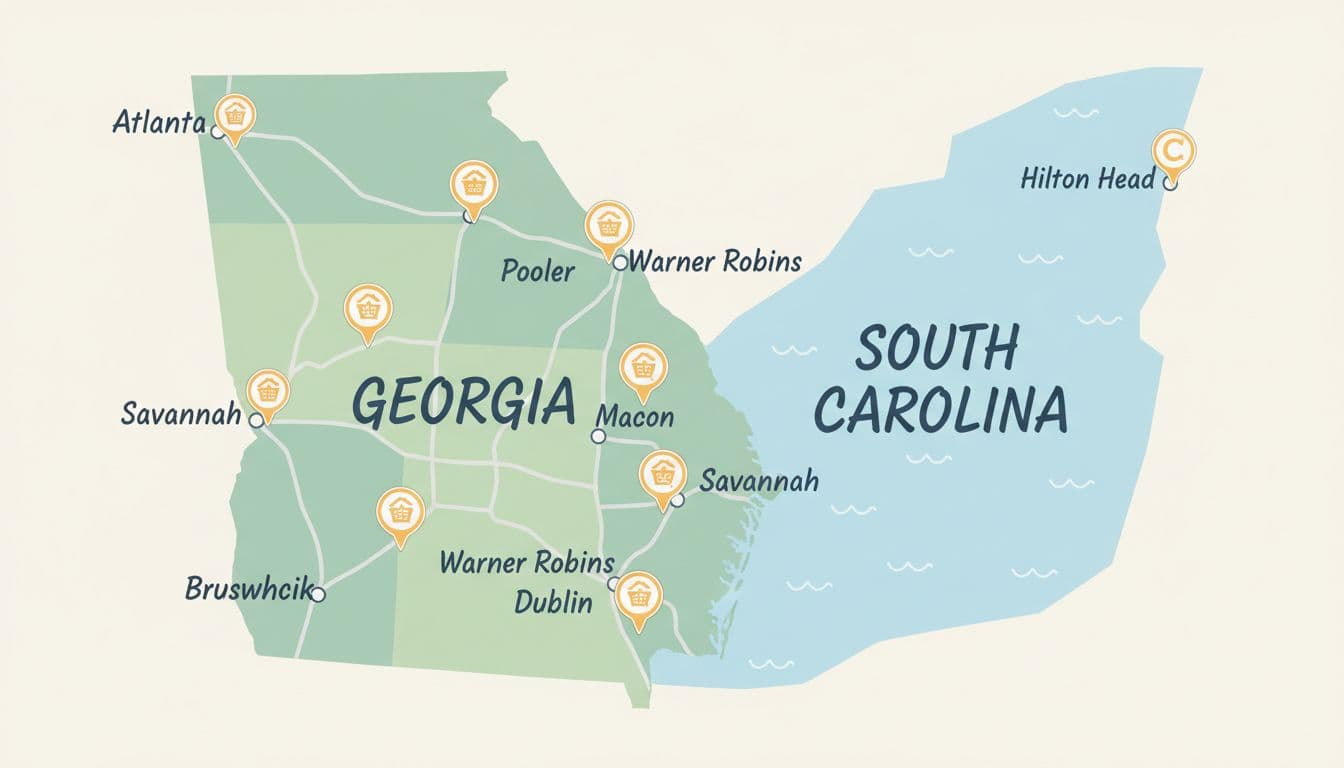
Location changes the math fast. Savannah and Pooler can ride commuter and port traffic. Atlanta can deliver volume, but rent and labor bite harder. Macon and Warner Robins often depend on highway flow and nearby employers. Brunswick, Dublin, and Waycross can be steady local plays. Near Hilton Head, seasonal traffic can make a store look stronger in July than in January.
Don’t treat every listing the same. A Business For Sale ad might mean business only, while pages of Businesses for Sale often mix true owner-operated stores, absentee deals, and tired locations dressed up with pretty photos.
If you want a quick pulse on pricing, compare Georgia convenience store listings with what local brokers publish. Then read how to read business-for-sale listings like a pro before you call on anything. Trust me, that one habit saves buyers from chasing stores with weak books, short leases, or inflated add-backs.
The best first pass is simple. Ask why the owner is selling, how long the lease runs, and whether the cash flow assumes a working owner. Y’all, the headline never tells the whole story.
The numbers matter, but the lease can make or break the deal
When buyers get excited, they usually focus on the coffee station, the pumps, the neighborhood. Sellers know that. The better move is to start with inside sales, gross margin, payroll, card fees, rent, and inventory.
In April 2026, many active Georgia and South Carolina listings showed inside sales around $40,000 to $70,000 a month. Some also carried lottery income, ATM commissions, game machine revenue, or deli profit. Those side streams can make a sleepy store look alive, or prop up a store that doesn’t sell enough chips and drinks on its own.
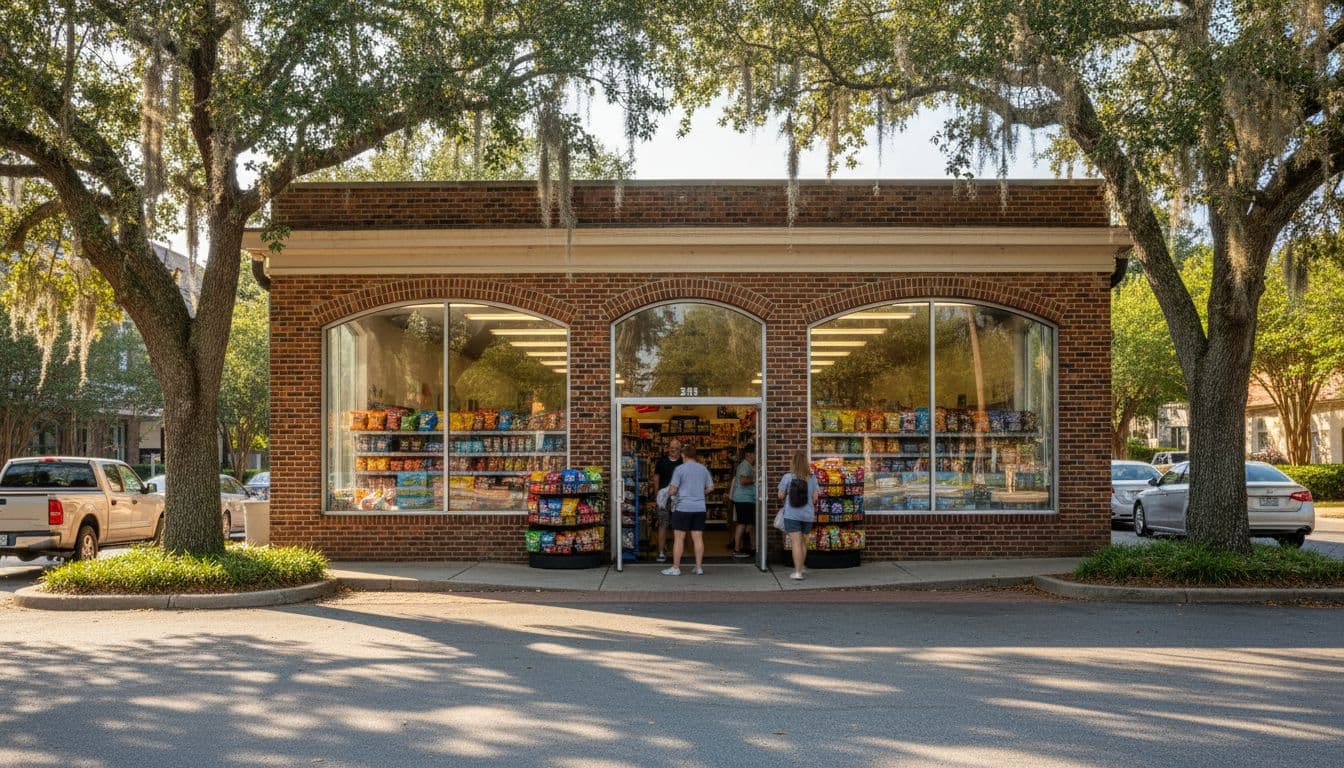
This is also the CRE check. If the building comes with the deal, it may be marketed as Commercial Real Estate for sale. If not, the notes may hide CRE for Lease or Commercial Real Estate for Lease terms. A bad lease can drain a good store.
Here’s the fastest way to sort the structure of the deal:
| Setup | What you’re buying | What to watch |
|---|---|---|
| Business only | Equipment, goodwill, inventory, lease assignment | Rent bumps, short term left, landlord consent |
| Business plus real estate | Store operations and the land or building | Environmental reports, repairs, higher down payment |
| Lease takeover | Existing operation tied to a fresh landlord deal | Renewal options, transfer fees, use restrictions |
The takeaway is simple: two stores with the same sales can have very different value because of CRE and occupancy terms.
If real estate is included, study financing options for GA convenience store purchases before you make an offer. For a real-world example of a property-heavy South Carolina deal, look at this Piedmont convenience store property and notice how location and ownership push the price up.
Do the due diligence that most buyers skip
Paperwork isn’t glamorous. It is where bad deals fall apart. Ask for three years of tax returns, recent profit and loss statements, bank deposits, POS reports, fuel commission statements, vendor invoices, and a current inventory count. Inventory matters too, because some deals price it separately at closing.

Match the numbers. If monthly sales don’t line up across tax returns, POS data, and deposits, slow down.
If the seller can’t tie reported sales to the paperwork, pause the deal.
Check licenses, lottery transfers, alcohol permits, food permits, environmental history, tank compliance, equipment age, and who owns the pumps, coolers, and signage. Some fuel supply agreements are fine. Others box you in for years.
Then spend time at the store like a customer. Visit morning, mid-day, and late night. Watch who comes in. Count parked cars. See whether the restroom is clean, the shelves are full, and the cashier is moving fast. In Pooler, weekend traffic may be your gift or your headache. In Atlanta, you may need stronger labor controls. In Brunswick or Waycross, repeat local customers matter more than flashy curb appeal.
When you’re ready to buy, write an offer with room for inspection, financing, landlord approval, and license transfer. The best convenience store deals don’t win because they feel exciting. They win because the numbers still hold up after the excitement wears off.
Final thoughts
Buying a convenience store in Georgia or South Carolina is part finance, part street sense. The store that looks ordinary from the parking lot can be a good deal if the books are clean, the lease works, and the traffic is real.
That’s the thread running through every smart purchase, from Savannah and Macon to the roads outside Hilton Head. Don’t fall for the bright coolers and busy pumps first. Fall for the math.
We are Members of the Georgia Association of Business Brokers and Realtors, Commercial Alliance, Georgia Association of Realtors, and National Association of Realtors