

Buying a business with borrowed money can feel like buying a house on rented land. The numbers may work, but the address still matters. If you’re researching the SBA lease term Georgia question, here’s the short answer: as of March 2026, SBA 7(a) rules do not set a fixed minimum lease term for a Georgia business acquisition in leased space.
Still, a short lease can sink a deal. Lenders want enough control of the premises to protect cash flow, especially when location drives revenue. That’s true in Savannah, Pooler, Atlanta, Macon, Brunswick, Dublin, Waycross, and Warner Robins alike.
The SBA rule is simpler than most buyers expect
SBA rules look at what the loan funds, not at some magic lease number. For leased locations, loan terms usually track working capital or equipment, which often means up to 10 years. If leasehold improvements support a longer useful life, a lender may go past 10 years, but it typically needs a written reason.
Just as important, there have been no Georgia-specific changes to this rule as of March 2026. National SBA standards apply in Georgia the same way they do elsewhere. A solid overview on buying a business with an SBA loan helps frame the issue the way lenders do.

No SBA rule says a Georgia buyer must have a 10-year lease. The real issue is whether the lender believes the business can stay put long enough to repay safely.
That trips up a lot of buyers. They hear “you need 10 years” and treat it like law. Most of the time, that phrase really means the lease, plus renewal options, should give the lender comfort. A Business For Sale with three years left and no options feels risky. The same deal with five years left and two five-year options feels very different.
If the transaction also includes a building, the analysis shifts from lease risk to ownership risk. In that case, SBA 7(a) vs 504 loans for GA business purchases can help you sort out which financing path fits the asset mix.
Why lease length still matters so much to Georgia lenders
No fixed minimum doesn’t mean “anything goes.” Lenders still study whether the business depends on that exact site. A neighborhood restaurant in Savannah, a med spa in Atlanta, and an industrial user near Brunswick’s port all live or die by location. By contrast, a route business in Macon or a service company in Waycross may have more room to move.
This quick table shows how the risk usually looks:
| Deal type | Lease pressure | What lenders want to see |
|---|---|---|
| Restaurant or retail storefront | High | Strong base term, clear options, assignability |
| Warehouse or light industrial | Medium to high | Term stability, renewal rights, use protection |
| Portable service business | Lower | Reasonable term, manageable rent, clean transfer terms |
The takeaway is simple. Many Businesses for Sale operate in Commercial Real Estate for Lease, also called CRE for Lease. Others include optional Commercial Real Estate for sale. When a site is central to goodwill, owning may remove a big headache.
That is why mixed deals deserve extra care. For example, this Savannah retail business for sale with CRE option gives a buyer two paths. You can keep the business in leased space or buy the property too. If you’re weighing lease risk against ownership, buy a business and real estate with SBA financing is a helpful primer. A clean CRE decision can make financing easier, rent more predictable, and your exit plan stronger.
What to ask for before you sign a Georgia lease assignment
Before you get attached to a Business For Sale, ask for the lease early. Not after due diligence starts, not after the bank spends money, and not after the seller says “don’t worry about it.” A weak lease is like a cracked foundation. You may not see it at first, but it can shake the whole deal.
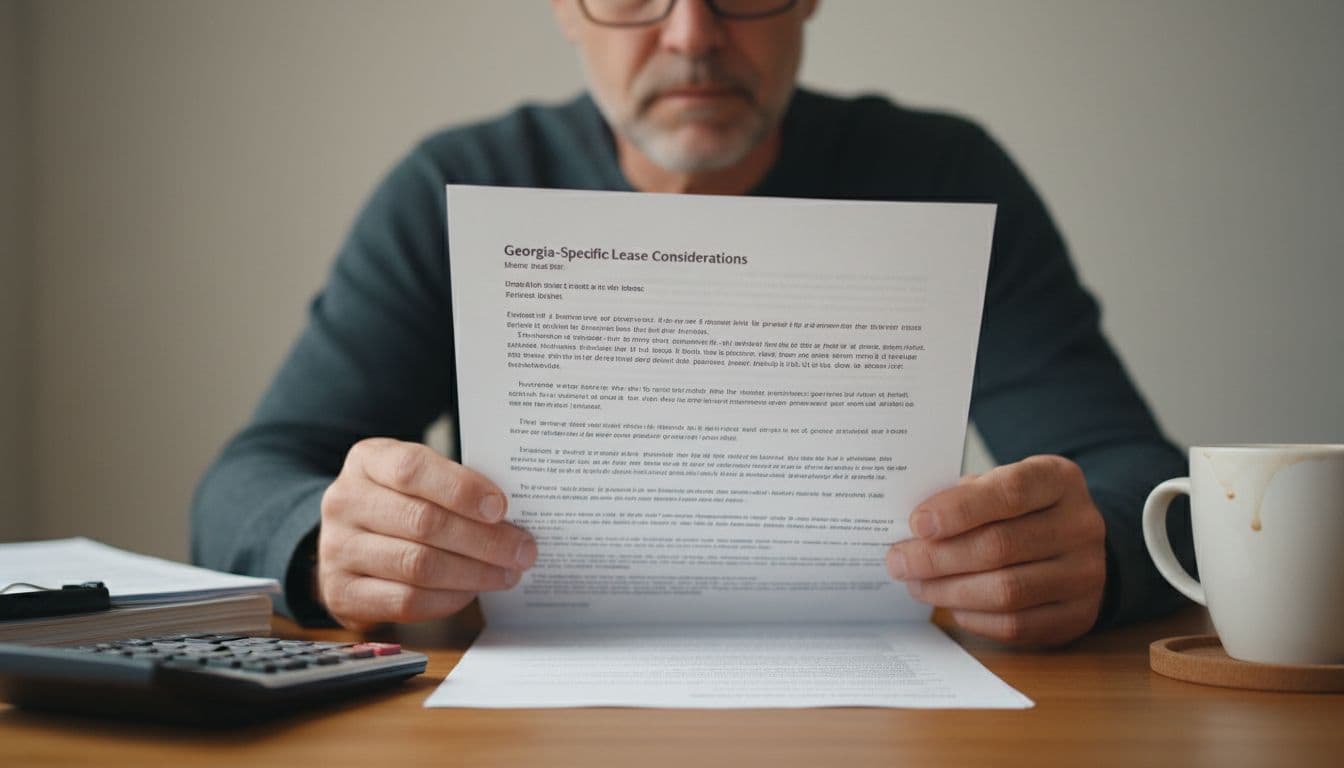
Focus on four points first:
- Remaining term and options: Count the base term and every real renewal option. A short base term isn’t fatal if the options are solid.
- Assignment language: SBA buyers often need the landlord’s written consent. If consent rules are vague, the closing can stall.
- Rent jumps and extra charges: CAM, taxes, insurance, and steep annual bumps can wreck debt coverage.
- Use clause and exclusives: Make sure the lease allows your exact business use after the sale.
Georgia doesn’t add a special SBA lease rule, but local market pressure still matters. In Pooler and Savannah, industrial and retail sites can move fast. In Atlanta, landlords may push harder on guaranties. Around Dublin, Macon, and Warner Robins, older spaces need closer review on repairs and pass-through costs. Buyers comparing Georgia with nearby Hilton Head should remember that lender standards stay national, but landlords do not.
If you want another set of eyes on lease risk, it helps to work with experienced Georgia business brokers for sales who see both business value and site risk at the same time.
The bottom line
The minimum lease term SBA buyers need in Georgia is not a fixed statewide number. Stable control of the location is what matters, and that usually means enough term, enough options, and clean landlord consent. Before you fall in love with a deal, read the lease with the same care you give the tax returns, because sometimes the lease is the deal.
We are Members of the Georgia Association of Business Brokers and Realtors, Commercial Alliance, Georgia Association of Realtors, and National Association of Realtors