
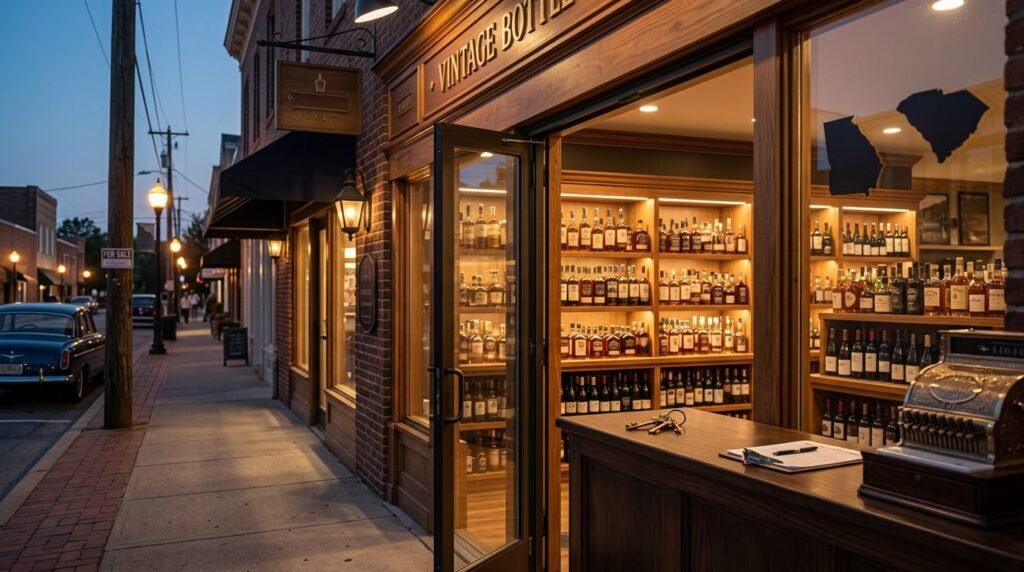
When looking to buy a liquor store, it can look simple from the parking lot. Shelves, coolers, cash register, steady traffic. Then you get into the numbers, the lease, the license, and you realize this business is more like a watch than a hammer, every small part matters.
If you’re browsing liquor stores for sale in Georgia or South Carolina and want to buy a liquor store, the good news is that solid opportunities exist. The bad news is that a good-looking store can still be the wrong deal. Let’s talk about how to tell the difference before you sign anything.
Key Takeaways
- Prioritize location and market fit over store aesthetics: Study traffic, competitors, customer base, and surrounding area before falling for the shelves.
- Understand the full deal structure: You’re buying cash flow, inventory, fixtures, goodwill, and possibly real estate, but the liquor license requires fresh approvals in Georgia and South Carolina.
- Master licensing early: Local and state processes aren’t automatic; build them into your timeline with 30-60 day buffers and contingency clauses.
- Conduct ruthless due diligence: Verify financials, inventory quality, lease terms, and on-site realities to avoid cash traps or hidden risks.
- Plan financing and post-closing wisely: Account for inventory costs, working capital, and monitor the first 90 days without rash changes.
Start with the market, not the bottles
A great liquor store is rarely great by accident. It’s usually in the right spot, with the right customer base, at the right rent.
That means you don’t start by asking, “Do I like this store?” You start by asking, “Who shops here, how often, and why here instead of two blocks away?” A neighborhood package store in Pooler is a different animal than a high-traffic location in Atlanta. Savannah may bring tourist volume and event-driven spikes. Hilton Head can have strong seasonal swings. Macon and Warner Robins may lean more on commuters, local repeat buyers, and convenience. Brunswick, Dublin, and Waycross can reward consistency, local relationships, and smart inventory choices over flashy buildouts.

Don’t fall in love with the shelves before you study the street and gather location insights. Look at traffic counts, nearby competitors, parking, ingress and egress, delivery access, and the surrounding tenant mix. A store in a prime location next to a grocery anchor may benefit from convenience traffic. A store near short-term rentals may sell differently from one surrounded by long-time residents. Same business model, different heartbeat.
You also need to know what kind of store you’re trying to own. Is it a simple take-home package store? Is it a beer store, wine shop, or spirits-driven? Does it carry cigars, mixers, lottery, or specialty imports, or operate more like a convenience store? If the current owner stocks expensive slow-moving bottles to look impressive, that can tie up cash and make the business seem stronger than it is.
This is where first-time buyers get tripped up. They shop with their preferences, not the market’s. Your favorite bourbon shelf means nothing if the neighborhood buys vodka, beer, and convenience items all day long.
Know what you’re buying, business, license, inventory, and maybe the building
When a store comes to market, the asking price may look clean. The deal usually isn’t.
You’re buying a mix of cash flow, inventory, fixtures, goodwill, systems, and location value. Sometimes you’re also buying the real estate. Sometimes you’re buying nothing but the operating business and stepping into a lease. That’s a big difference, and it changes both risk and price.
Buyers often bounce between a Business For Sale page and a CRE search because liquor stores live in both worlds. A retail liquor store with the building may appear under Businesses for Sale and Commercial Real Estate for sale at the same time. A business-only acquisition may come with a lease assignment, or push you to compare CRE for Lease and Commercial Real Estate for Lease options before closing.
If you’re still scanning the market, it’s smart to browse professional business listings so you can compare deal structure, not just asking price.
This quick comparison helps:
| Deal type | What you usually get | Main risk |
|---|---|---|
| Business only | Brand, inventory, equipment, customer base, lease rights | Weak lease or landlord problems |
| Business plus real estate | Everything above, plus the land and building | Higher capital needed up front |
| Empty location with permits potential | Site and maybe fixtures, but not operating cash flow | Licensing and startup risk |
The alcohol license itself also needs clear thinking. In most cases, don’t assume you’re “getting” a license the way you’d get a cooler or a shelf set. The store may have an approved history at that location, but new ownership often means new review, new paperwork, and sometimes a new local hearing.
The store may be operating today, but your approval tomorrow still depends on ownership, location, zoning, and paperwork.
Ask one plain question early: “Is this an asset sale, an entity sale, or a real estate deal with an operating business attached?” That answer tells you what to review next.
Licensing in Georgia and South Carolina can slow a good deal
This is where a lot of buyers get humbled. They think, “The store already sells liquor, so I can step right in.” Sometimes the path is smooth. It is never automatic.
In Georgia, buyers generally deal with local approval first, then state approval. The Georgia Department of Revenue liquor licensing page lays out the licensing requirements, and it’s worth reading before you even draft a letter of intent. The 2026 guidance points to background checks, fingerprinting, tax clearance, local licensing, and online filing through the Georgia Tax Center. A practical planning window is about 30 to 60 days, though local timing can stretch that.
Savannah, Pooler, Atlanta, Macon, and other Georgia cities may each have their own local regulations, including zoning checks, distance rules, public notice requirements, and hearing calendars. If you’ve seen how alcohol approvals work in restaurant deals, this piece on Savannah liquor licensing gives a useful look at how local process can affect your opening date.
South Carolina also requires care. The South Carolina liquor license directory shows license types, including Retail Liquor Store licenses, and notes that some alcohol permits require a retail license first through MyDORWAY. In places like Hilton Head, local zoning, county review, and location history still matter. Don’t assume the seller’s old setup carries over to your LLC without a hitch.
If you want a quick side-by-side before calling local offices, this state licensing overview gives a simple summary. It’s not a substitute for official guidance, but it helps you frame the questions.
Georgia buyers with multi-store ambitions should also pay attention to 2026 changes. HB 210 changes ownership limits in some counties over time. If your plan is one store now and three later, that matters before you structure the first purchase.
The safest way to handle licensing is to make it part of the deal calendar, not an afterthought. Tie key dates in the purchase agreement to approvals, lease consent, and any local board action. A profitable store can still become a bad purchase if you’re paying carrying costs while waiting on paperwork.
How financing works when inventory eats cash
A liquor store purchase isn’t only about the sale price. It’s about what the deal asks from your wallet in the first six months, even for a profitable liquor store.
Many package store acquisitions are financed through a mix of buyer cash, bank debt, SBA lending, and seller financing. Some lenders like liquor store deals because the sales can be steady. Others are more selective because of alcohol exposure, cash handling, or thin reporting. Ask that question early, not after due diligence starts.
Inventory is where the numbers can sneak up on you. A store priced at one number may require a separate inventory purchase at cost on closing day. That’s common. It also means your real cash need is often much higher than the headline price, which underscores the importance of inventory management.
Working capital matters too. You’ll need money for payroll, restocking, utilities, insurance, point-of-sale setup, deposits, and any lag between closing and license approval. In an ideal turnkey operation, many systems are already in place, but if you’re buying in Savannah before busy season, or in Hilton Head ahead of tourist traffic, timing can shape whether that cash cushion feels generous or painfully thin.
Seller notes can help bridge a gap, and they can also tell you something about the seller’s confidence. If the owner refuses any carry, that doesn’t kill the deal. But it does invite better questions.
A simple rule helps here: don’t spend every dollar getting in. A store with good margins can still squeeze you if you start broke.
Due diligence is where good buyers make their money
Anyone can love a store on a walkthrough. Smart buyers fall in love after the financial records check out.
Start with the tax returns, profit and loss statements, sales reports, payroll records, merchant statements, and sales tax filings. Then compare them. Do the numbers tell the same story, or do they feel like cousins who don’t speak to each other? A liquor store should leave a clean trail. The risks associated with a cash business become clear if cash sales are heavy but records are thin; slow down.
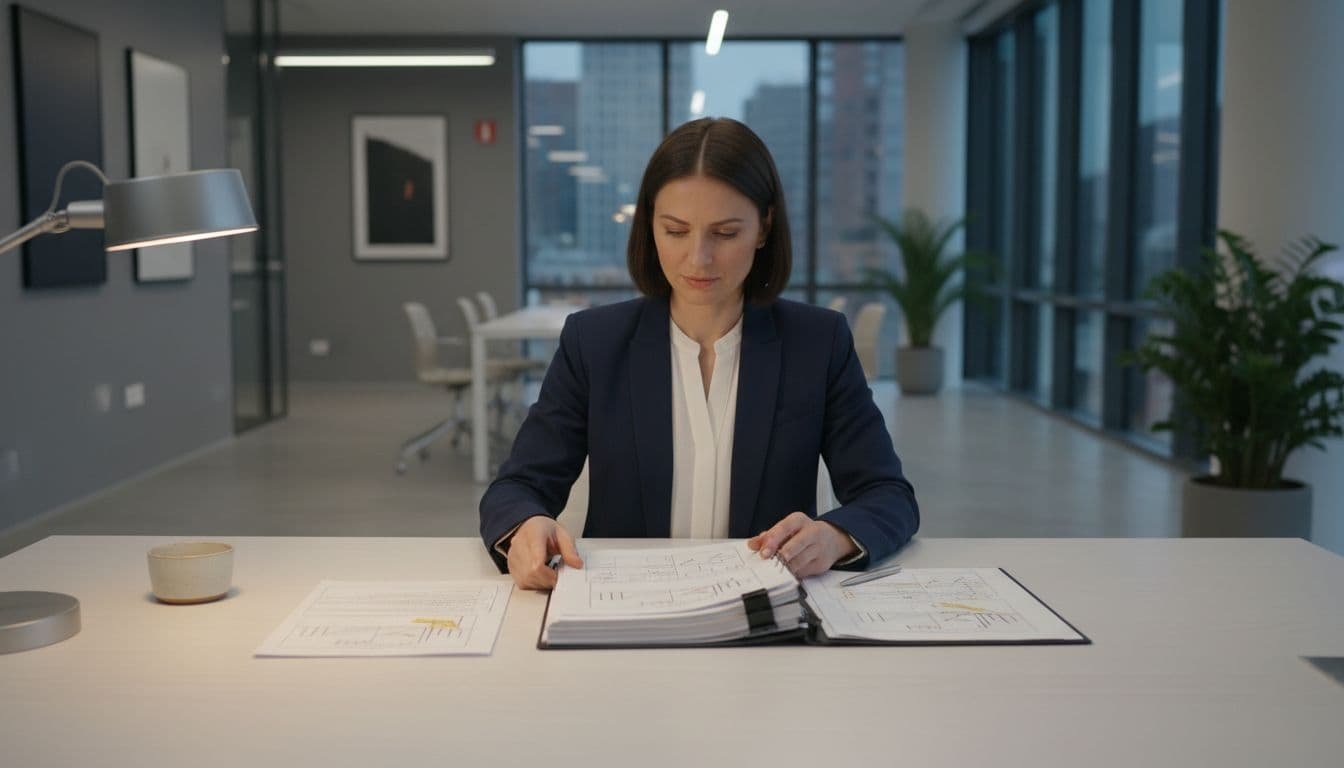
Look hard at inventory quality. High inventory isn’t always good inventory. Old cases, dusty specialty bottles, broken packs, and dead stock can make the balance sheet look healthier than the shelf reality. You want a current inventory count, not a hopeful estimate.
A few records deserve special attention:
- Monthly gross sales by category, so you can see whether spirits, wine, beer, or extras drive profit.
- Vendor statements and rebate programs, because missing terms can shrink profit margins fast.
- Loss reports, voids, and shrink patterns, which reveal impacts on net income and tell you whether theft or sloppy controls are hiding in plain sight.
- Lease documents, including renewals and landlord consent language.
You should also spend time outside the books. Visit at different hours. Watch who comes in. Check parking flow. Ask about delivery schedules, security cameras, employee turnover, and local competition. If a new grocery store, club store, or major road project is coming, that can change the picture quickly.
In smaller markets like Dublin, Waycross, or Brunswick, reputation can matter as much as the cooler set. In larger metros like Atlanta, the numbers may be stronger, but rent pressure and competition can be sharper. In military-leaning or commuter-heavy areas like Warner Robins, consistency may be the selling point.
Trust the count, trust the paper, trust what you can verify. Everything else is just a story.
Lease terms can make or break the store
A bad lease can choke a good liquor store. That’s the part many buyers learn too late.
If the building isn’t included, read the lease like your profit depends on it, because it does. How many years are left? Are there renewal options? Is the assignment allowed? Does the landlord have to approve the transfer? Can the landlord raise rent sharply after the current term? Are there common area charges, taxes, or insurance pass-throughs that haven’t shown up clearly in the seller’s summary?
Liquor stores also need practical protections. You want solid parking, clean access for distributors, visible signage rights, and enough storage space to receive and stage inventory for healthy inventory turnover. If another tenant can move in next door and sell overlapping products, your revenue may take a hit fast. An exclusivity clause can protect your prime location and matter more than a fresh paint job.
If the property is part of the deal, review it as both an operating site and a real estate asset. Roof, HVAC, electrical capacity, drainage, loading access, and code issues all belong on your list. When buyers look at Commercial Real Estate for sale, they sometimes forget they’re also buying a business that depends on smooth daily operations.
Leased space can still be the better move. It lowers upfront cash needs and gives you flexibility. Owning the building can build long-term wealth, but only if the purchase price, debt service, and maintenance don’t crush the store.
The right question isn’t “Should I buy the real estate?” It’s “Does this real estate help the business make money?”
Closing day isn’t the finish line
The handoff of a well-established store after closing sets the tone for everything that follows. You don’t need a dramatic grand plan. You need control.
That means supplier accounts, utility transfers, insurance, alarms, POS access, bank setup, staff communication, and a clean inventory count all need to line up. If employees are staying, meet them early and set expectations fast. If you’re changing hours, vendors, or product mix, do it with a reason, not because you want to make your mark.
Watch the first 90 days like a hawk; they mark the start of your significant ownership opportunity. Compare actual sales to the seller’s history. Track shrink. Monitor payroll. Study what moves by daypart and day of week. In tourist-heavy markets like Savannah or Hilton Head, timing and assortment can make a huge difference. In local repeat markets like Macon or Pooler, service and consistency may matter more than novelty.
Don’t rush to reinvent the store. First learn why customers already come in. Then improve what needs fixing.
A good acquisition should feel less like buying a lottery ticket and more like taking over the wheel of a truck that’s already on the road. Your job is to keep it running, tighten what was loose, and avoid driving it into a ditch.
Frequently Asked Questions
Do I automatically inherit the liquor license when buying a store?
No, it’s never automatic. Even if the store sells alcohol today, new ownership triggers local and state reviews, background checks, fingerprinting, and possible hearings in Georgia or South Carolina. Tie approvals to your purchase timeline to avoid paying rent without revenue.
What’s more important: the store’s look or its location?
Location wins every time. Traffic counts, competitors, parking, tenant mix, and customer habits drive sales more than fancy shelves or inventory. A great spot with average stock beats a pretty store in a dead zone.
How much extra cash do I need beyond the asking price?
Quite a bit—inventory at cost, working capital for payroll/utilities, and license delays can double your upfront needs. Seller financing helps, but plan for six months of cushions, especially in seasonal markets like Hilton Head or Savannah.
What lease red flags should I watch for?
Short terms without renewals, landlord veto on assignments, rent escalations, or weak protections for parking, delivery, and exclusivity. If buying the building, check HVAC, roof, and code compliance too. A bad lease chokes even strong cash flow.
How do I verify if the financials are real?
Compare tax returns, P&Ls, sales reports, and merchant statements for consistency. Scrutinize inventory for dead stock, track shrink/voids, and review vendor rebates. Visit at varied hours and confirm with on-site observation.
Final thoughts
A liquor store purchase can be a smart move in Georgia or South Carolina, but only when the deal works on paper, on site, and with the license path in view. The winning buyers aren’t the boldest. They’re the ones who verify the market, respect the lease, and refuse to guess at the numbers.
That matters whether you’re looking at liquor stores for sale in Atlanta, Savannah, Hilton Head, or a smaller market like Waycross. Finding success in the marketplace requires a disciplined approach to the numbers and local licensing rules. The bottles may be what customers see, but the real business is built on location, licensing, cash flow, and discipline.
We are Members of the Georgia Association of Business Brokers and Realtors, Commercial Alliance, Georgia Association of Realtors, and National Association of Realtors