
Selling a business is a major financial decision. The broker you hire shapes everything that follows. This phrase how to choose a business broker explains that it is not about the loudest pitch. It is about finding someone experienced, honest, and prepared for your situation.
This article walks you through the process step by step.It covers experience, valuation, confidentiality, fees, marketing, and communication. Best Business Brokers, known as B3 Brokers, provides insight from the field.
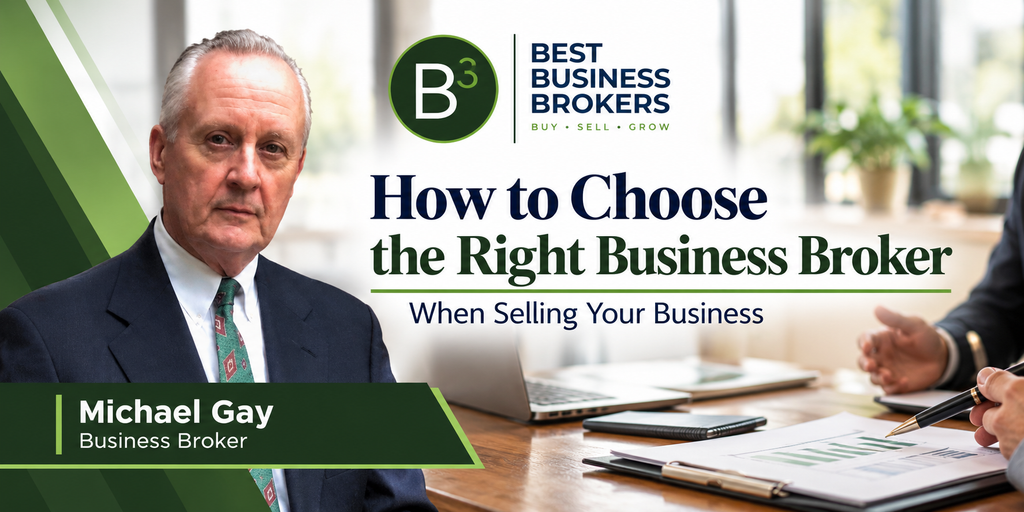
Meanwhile, Middle Georgia-based broker Michael Gay works with owners on the sale’s financial side.
Key Takeaways
- Evaluate a broker’s actual closed deal experience rather than relying on marketing claims.
- Understand whether your company is valued using Seller’s Discretionary Earnings or EBITDA.
- Insist on a tiered disclosure process to protect company confidentiality from competitors.
- Review success fees, retainers, and tail periods carefully before signing any agreement.
What Relevant Brokerage Experience Should You Look For
Experience matters more than a polished website or a smooth sales pitch. You need someone who has navigated real transactions and knows how to keep deals moving when obstacles pop up. Verify that a broker has actually closed deals, not just listed businesses on a public board. Industry fit or deal-size alignment counts heavily, even if the broker has never sold your exact niche. Michael Gay from Middle Georgia brings a strong financial background to these discussions, helping owners understand the realities of deal structure and lending. If you are learning how to choose a business broker, focus on practical results and clear communication.
Questions That Reveal Real Deal Experience
Ask how many businesses the broker sold in the past year and what their typical deal size looks like. Request recent seller references and follow up with them to ask how the broker handled difficult negotiations. If you receive vague answers about past sales volume, take that as a clear signal to slow down and look elsewhere. Experienced professionals share metrics and references without hesitation.
Certifications and Association Membership That Carry Weight
Professional designations add credibility to a broker’s background. The Certified Business Intermediary designation from the International Business Brokers Association requires rigorous coursework and testing. You can learn more about these standards through the IBBA path to the CBI designation. Always verify any credential directly with the issuing organization and check that local association memberships are current.
Understanding a Business Broker’s Valuation Approach
A realistic starting price protects your time and credibility as a seller. An inflated number often means the business sits unsold for months. Ask how the broker builds a value range before listing your company. You can explore how business brokers maximize your company’s value for more context on pricing strategies. Always confirm complex tax and legal questions with a qualified professional before finalizing plans. how to choose a business broker
SDE and EBITDA: Two Metrics You Should Recognize
Valuation metrics depend heavily on how your business operates day to day. Seller’s Discretionary Earnings measures cash flow for a single owner-operator by adding back owner compensation and discretionary expenses. EBITDA steps in when professional management is in place and day-to-day operations run independently. For a deeper breakdown of these formulas, review SDE vs EBITDA business valuation metrics. A good broker explains which metric fits your specific company and why.
What a Solid Broker’s Opinion of Value Looks Like
A reliable valuation relies on real comparable sales, financial recasting, and current industry context instead of a quick guess. If a broker quotes a high sale price without asking about your financials, customer concentration, or owner dependency, treat that as a warning sign. Accurate pricing requires looking closely at your profit margins, equipment condition, and local market trends.
How Confidentiality Protects Your Business During a Sale
Word getting out too early can rattle employees, scare key customers, and alert competitors. A qualified business broker maintains a strict process for controlling what information is shared and when. You can read more about why confidentiality matters when choosing a business broker to understand how leaks impact leverage. Ask prospective brokers directly how they release sensitive data during early marketing phases.
The Tiered Disclosure Process
Information should always be released in controlled stages to safeguard your position. The broker starts with an anonymous summary that hides your company name and exact location. They share more detailed financials only after a buyer signs a non-disclosure agreement and passes initial financial screening. The most sensitive operational documents appear much later during formal due diligence.
Questions About NDAs and Buyer Screening
Ask if every prospective buyer signs a confidentiality agreement before viewing any company details. Find out how the broker verifies that a buyer actually has the funds to complete a purchase. You should also discuss how the firm handles a registered buyer who turns out to be a direct competitor. Protecting your proprietary data requires disciplined screening from day one.
Marketing Strategy: How Brokers Find and Qualify Buyers
A broker’s job is to bring qualified buyers to the table, not just post a listing online and wait for phone calls. Quality matters far more than quantity when it comes to attracting serious offers. A stated buyer list means very little without proof that those individuals are active, funded, and ready to transact. Effective marketing reaches motivated buyers while keeping your company identity completely hidden.
Where Buyers Actually Come From
Public marketplaces and commercial real estate platforms generate initial visibility for active listings. However, direct outreach to strategic buyers, private equity groups, and qualified individual investors often drives the most serious interest. A confidential marketing approach targets the right buyers quietly, protecting your daily operations from disruption.
Separating Serious Buyers From Tire Kickers
Good brokers screen every inquiry for proof of funds and genuine intent before releasing sensitive information. Only a small percentage of casual inquirers possess both the financial ability and the motivation to close a deal. Proper filtering ensures you spend your time reviewing real offers rather than answering endless questions from unqualified parties.
Business Brokerage Services: What Support You Can Expect
A full-service brokerage handles the heavy lifting so you can keep running your company without missing a beat. Expected services include preparing financial statements, recasting earnings, marketing confidentially, qualifying buyers, managing negotiations, and coordinating due diligence. Most owners simply do not have the time to run a complex sale while managing daily operations. Keep in mind that a broker acts as a deal facilitator rather than a lawyer or CVA, so you should consult licensed specialists for legal and tax advice.
Fees and Agreements: What to Review Before You Sign
Broker fees typically take the form of a success percentage paid at closing, though some agreements include a monthly retainer or minimum fee. Smaller companies often carry a higher percentage rate than multi-million-dollar enterprises. You can review business broker fees in Georgia and South Carolina for a closer look at regional commission structures and standard contract terms. Always ask for the fee translated into actual dollar amounts at a few realistic sale prices before signing.
Contract Terms That Deserve a Closer Look
Pay close attention to exclusivity clauses that lock you into a single brokerage for a set period. Check whether any upfront retainer gets credited against the final success fee at closing. You should also review the tail period, which is the timeframe after the contract expires where the broker still earns a fee if a buyer they introduced finally purchases the business.
Communication and Transparency: Setting Clear Expectations
Selling a company takes months of intensive work, and radio silence is one of the most common complaints from sellers. Ask how often you will receive progress reports, who your primary daily contact will be, and how quickly phone calls get answered. A reliable broker puts these service commitments in writing right from the start. Clear communication keeps stress low and ensures everyone stays aligned throughout the process.
Warning Signs: Unrealistic Promises and Unsupported Guarantees
Red flags include valuations that sit far above competing opinions without any supporting market data. Be wary of brokers who pressure you to sign immediately or promise a guaranteed sale price and a fast closing timeline. Legitimate professionals explain the process clearly, point out potential hurdles, and set realistic expectations for your market. No one can ever guarantee a specific buyer, closing date, or final purchase price.
Why Local Market Knowledge Matters for Georgia and South Carolina Owners
A broker rooted in your region understands local buyer pools, regional lending conditions, and industry patterns across the Southeast. Best Business Brokers serves owners throughout Georgia and South Carolina, covering communities from Savannah and Macon to Atlanta and Charleston. You can read more about Georgia business brokers for buyers and sellers to see how regional expertise shapes successful outcomes. Confirm current state requirements regarding real estate licenses, since business sales involving property leases require specific state credentials.
How to Choose a Business Broker: Questions to Ask Before Hiring
Evaluating professionals requires asking direct questions and comparing their answers side by side. The table below outlines key questions to ask during your broker interviews and what a trustworthy response sounds like.
| Question | What a Good Answer Looks Like |
|---|---|
| How many deals have you closed recently? | Cites specific recent transaction types and ranges without hesitation. |
| What valuation method do you use? | Explains recasting, market comparables, and earnings metrics clearly. |
| How do you screen prospective buyers? | Requires signed NDAs and verified proof of funds before releasing details. |
| What confidentiality steps do you take? | Uses tiered disclosure, blind summaries, and anonymous marketing. |
| What is your fee structure? | Details success commissions, retainers, and closing terms transparently. |
| How long is the exclusive agreement? | Proposes a standard listing period like six to twelve months. |
| Can you provide recent references? | Connects you with past sellers who can vouch for their work. |
| What is your communication cadence? | Commits to scheduled weekly updates and rapid response times. |
Frequently Asked Questions
How long does it usually take to sell a business?
Most business sales take anywhere from six to nine months from the initial listing to the closing table. The exact timeline depends heavily on your industry, pricing accuracy, and how quickly financial documents can be verified during due diligence.
Do I need to keep my sale a secret from my employees?
Keeping the sale confidential until the final stages protects your daily operations and employee morale. Leaks often cause key staff members to panic and look for new jobs before the transition is even secured.
Can I continue running my business while it is on the market?
You must keep running your business actively because buyers want to acquire a stable, growing company. A declining financial performance during the sales process will immediately kill buyer interest or lower your final offer.
What documents do I need to prepare before talking to a broker?
Gather at least three years of federal tax returns, current year-to-date profit and loss statements, and a detailed equipment list. Having clean financials ready allows your broker to build an accurate valuation much faster.
Who pays the broker commission at closing?
The business seller pays the broker success fee as a percentage of the final purchase price at closing. This fee structure aligns the broker’s success directly with achieving the highest possible price for your company.
Conclusion
Selling your company is a major milestone that deserves experienced guidance and steady support. The right broker brings realistic pricing, protected confidentiality, honest communication, and structured negotiation to the table. Take time to interview multiple professionals and check their references before signing any agreement. Connect with Best Business Brokers to discuss your goals and questions with no pressure.
We are Members of the Georgia Association of Business Brokers and Realtors, Commercial Alliance, Georgia Association of Realtors, and National Association of Realtors