
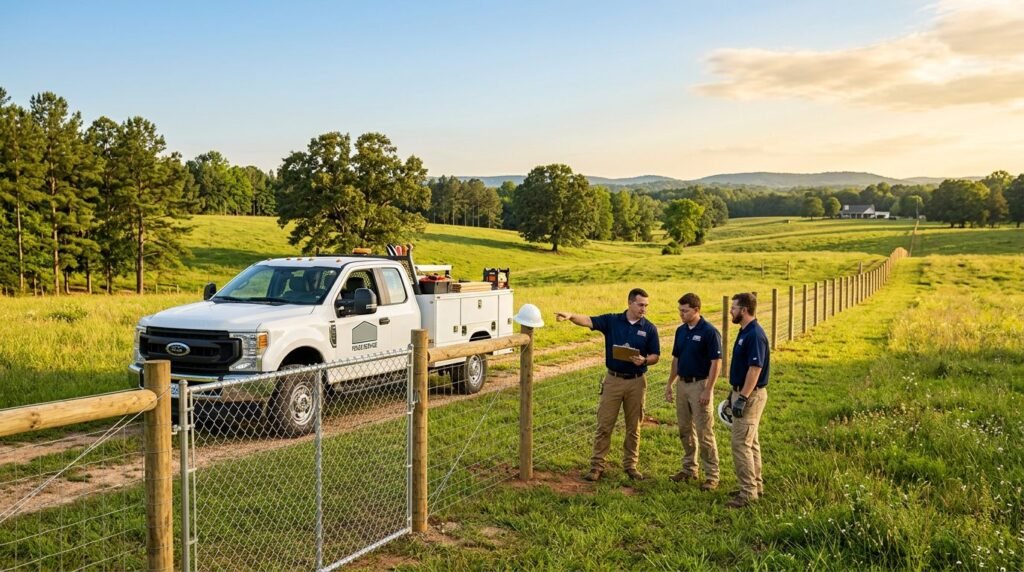
A fence company can look simple from the outside. Trucks, crews, posts, panels, jobs on the calendar. But if you’re getting ready to buy a fence company, you already know simple isn’t the same as easy.
The right deal can give you steady cash flow, repeat referrals, and a business people need in good markets and bad ones. The wrong deal can hand you worn-out trucks, thin margins, and an owner-shaped hole no one else can fill. Let’s talk about how to tell the difference.
Start with the kind of fence business you actually want
Not every fence company is the same, and that’s where a lot of buyers get tripped up. A residential installer in Pooler won’t run like a commercial contractor in Atlanta. An agricultural fencing outfit near Dublin or Waycross has a different rhythm than a gate-heavy company working Hilton Head and Savannah.
So ask the first hard question early: what do you want to own?
Some buyers want fast-turn residential work, shorter sales cycles, more local referrals. Others want commercial jobs, property managers, builder relationships, and larger tickets. Some want repair work mixed in because repair keeps the phone ringing when big installs slow down. There isn’t one right answer. There is only the answer that fits your background, capital, and patience.
This is where discipline matters. Don’t fall in love with a listing because the asking price feels reachable. Buy the company that matches your goals, not your mood that day.
If you want a broader look at the acquisition process before you narrow into fencing, B3’s guide on how to buy a business is a smart place to start. The basics still apply here, cash flow, fit, risk, and a clear path to closing.
A good fence company should already have a place in its market. People know the name. Builders know who to call. Past customers send neighbors. If you’re buying a company that has to re-introduce itself from scratch, you’re buying more hope than business.
Pick the right territory before you pick the right price
Georgia and South Carolina are not one market with two state lines. They’re a patchwork of local demand, HOA pressure, permit habits, weather patterns, and labor pools. That’s why geography matters so much when you buy a fencing business.
Think about Savannah, Pooler, and Hilton Head. You may see strong residential demand, HOA-driven rules, gate work, and coastal wear on trucks and equipment. In Atlanta, Macon, and Warner Robins, you may find builder relationships, suburban expansion, and a heavier mix of privacy fence and commercial perimeter work. Brunswick brings coastal and industrial flavor. Dublin and Waycross can lean more rural, agricultural, and acreage-based.
That mix changes everything. It affects material choices, estimating, crew scheduling, service radius, and even warranty calls after storms.
Spend an hour looking at regional operators. Seegars Fence Company shows how a long-running business positions residential, commercial, and government work across the Southeast. Legacy Fence’s Georgia and South Carolina services show another version of a mixed-service model. Even a supplier-facing page like Maner Builders Supply’s fence division can tell you what products and buyer types matter in this region.
Here’s what you’re trying to learn: where does the company win, and why?
If most jobs come from one subdivision builder, that’s concentration risk. If the company travels 90 minutes each way to stay busy, labor cost and fuel may be eating the story alive. If the owner says, “We work everywhere,” slow down. Good companies usually know their lanes.
A fence business is local. Reputation is local. Crew loyalty is local. Keep that front and center.
Value the business, not the story
This part is where emotions need to step aside. The seller may have built the company with blood, sweat, and tears. You can respect that and still buy based on math.
Revenue is the shiny truck in the driveway. Profit is the engine under the hood.
Start with earnings after labor, materials, fuel, insurance, overhead, and callbacks. Ask for tax returns, profit and loss statements, payroll records, job costing, and bank statements. If the books are clean, good. If the books are a mess but the seller swears it’s a gold mine, price the risk in.

A fence company with $2 million in sales and weak margins can be a worse buy than one doing half that with disciplined pricing. Materials move. Labor costs move. Insurance renewals move. The companies that stay healthy know their numbers job by job.
This quick scorecard helps cut through the noise:
| What to review | Healthy sign | Red flag | | | | | | Cash flow | steady margins | sales are up, profit is thin | | Backlog | signed jobs and deposits | verbal promises only | | Owner role | team handles daily work | owner carries the whole load | | Equipment | maintained trucks and tools | replacements are due soon |
The takeaway is simple. A strong ask price needs strong proof.
Look closely at the backlog too. Signed contracts and booked work matter. Pending bids do not count the same way. Ask how much of the future schedule is under contract, how much is still in proposal stage, and how much work depends on one rain-free month.
Also check add-backs with a cool head. Some owner expenses can be added back. Some can’t. If every family dinner, hunting lease, and personal truck payment runs through the company, don’t nod along and call it cash flow.
Look hard at crews, trucks, and owner dependence
A fence company is built in the field. That’s why operations deserve more attention than the logo, the website, or the pitch deck.
If the owner is the estimator, sales rep, crew chief, and complaint department, you’re not buying a business, you’re buying a job.
That sounds blunt because it is. You want to know whether jobs still move when the seller takes a week off. Is there a lead installer? A foreman? Someone who can estimate without turning every quote into guesswork? Does the office schedule cleanly and collect deposits on time?
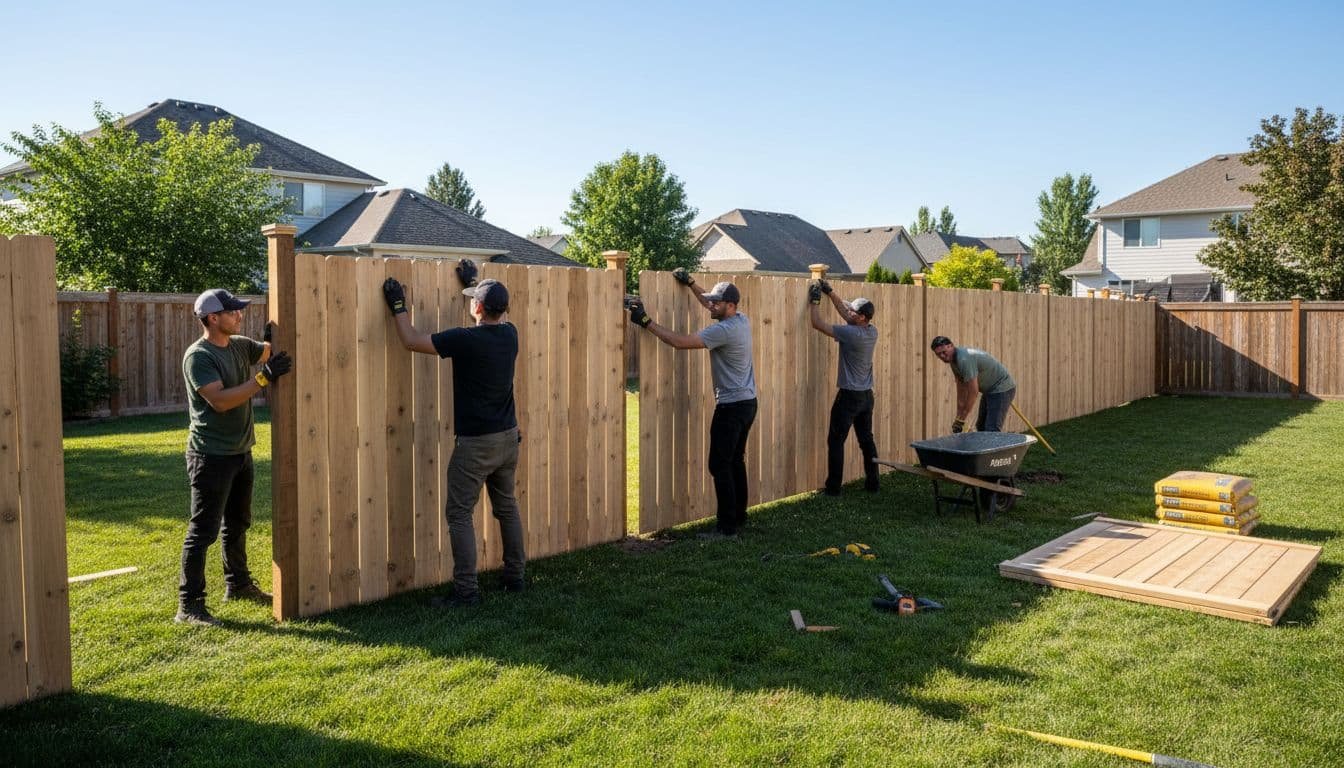
Then inspect the hard assets like you mean it. Trucks, trailers, augers, compressors, welders, inventory racks, gate hardware, office systems, yard security, all of it. A worn-out fleet can drain cash in a hurry. Coastal operators around Savannah, Brunswick, and Hilton Head may deal with more corrosion. Rural operators may put harder miles on trucks. Neither is fatal, but both affect value.
Customer reputation matters too because fence work travels by word of mouth. Read reviews. Ask about warranty claims. Look at canceled jobs, rework, chargebacks, and how the business handles complaints. A company with loyal referral traffic is worth more than one that buys every lead.
Don’t skip the phone number, website, and brand transfer either. If the business name, domain, and call tracking setup can’t move with the sale, your marketing pipeline may disappear on day one. Small detail? Not at all. That’s the sort of thing that bites buyers after closing.
Handle due diligence like a local buyer, not a distant investor
The best buyers stay curious. They don’t act suspicious, but they do ask the second question.
In Georgia and South Carolina, local rules can change job economics fast. County permits, city rules, subdivision standards, and HOA restrictions all affect install timelines and pricing. What works in one corner of Metro Atlanta may not fly in Pooler. What passes in rural Waycross may trigger a redesign in Hilton Head.
Ask to review sample contracts, permit workflows, insurance policies, workers’ comp coverage, fleet titles, and any open claims. Confirm the company has the licenses and insurance required for the work it performs in the places it serves. If it installs automatic gates or access control, check that area with extra care. Specialty work can be more valuable, but it also needs tighter process and skill.
You also need a clean read on legal exposure. Look for unpaid sales tax, liens, lawsuit history, payroll issues, and subcontractor classification problems. If the seller shrugs at those questions, don’t move on. Slow down.
Most small deals like this are structured as asset purchases, and that’s often for good reason. Assets are clearer. Liabilities are easier to manage. Your attorney and CPA should confirm the best structure for your deal, but don’t drift into a stock purchase because it feels simpler.
If you want a more general walk-through of the process, B3’s business buying tutorial is useful before you go deeper into diligence.
A local fence company can be a terrific buy. It also lives close to the ground. That means the details matter.
Decide whether the real estate belongs in the deal
A lot of buyers start on brokerage sites by bouncing between tabs labeled Business For Sale, Businesses for Sale, CRE, Commercial Real Estate for sale, CRE for Lease, and Commercial Real Estate for Lease. That’s normal. For a fence company, those labels can matter more than you think.
Some fencing businesses are light on real estate. They use a small yard, modest office space, and smart inventory control. Others need room for trucks, trailers, materials, fabrication, and secure storage. If the company depends on a fenced yard with easy truck access, the property question isn’t separate from the business. It’s part of the deal.
So ask the plain questions. Is the current site owned or leased? Is the lease assignable? Does zoning allow outdoor storage, trailer parking, and early crew dispatch? Can the business operate just as well if you move it, or would relocation hurt labor retention and customer service?
This is where buyers can get sloppy. They underwrite the business and treat the property like background noise. Then they discover the lease expires in nine months, rent is headed up, or the landlord doesn’t want the buyer’s use.
If the real estate is included, value the operating business and the property separately. A solid company can sit on mediocre real estate. Great real estate can also hide a weak operation. Keep the math clean.
If you want a broader picture of acquiring a company with professional help, B3’s guide on buying a business with a broker can help you think through both the business and property sides.
Structure the deal so closing isn’t the finish line
Getting under contract is not the victory lap. It’s the handoff.
Most buyers use a mix of cash, bank financing, and seller participation. Seller notes can help bridge valuation gaps. So can earnouts, though those need careful drafting. Working capital matters too. You don’t want to buy the company and then discover you need another pile of cash for payroll, materials, and fuel before the next draw hits.
Ask for a transition plan in writing. Who introduces you to key employees? Who calls the top builders, property managers, and repeat customers? Who explains the estimating system, the supplier terms, the scheduling rhythm, and the little things that keep crews moving?
The first 90 days should be steady, not flashy. Keep the phone number. Keep the brand if it’s respected. Meet the crew early. Visit active jobs. Review every open estimate. Tighten the books. Watch job costing like a hawk.
And don’t start changing everything because you want to “put your stamp on it.” That’s a fast way to break trust. Learn the business before you remodel it.
A good acquisition feels a little like taking over the wheel of a truck already moving down the road. You don’t yank it left to prove you’re in charge. You get it steady, confirm where it’s headed, and keep the wheels straight.
Final thoughts
Buying the right fence company in Georgia or South Carolina comes down to a few plain truths. You want cash flow, a real crew, usable equipment, clean records, and a market that keeps sending work.
The best deals usually aren’t the loudest ones. They’re the companies with steady jobs, a respected name, and enough structure that the business keeps going when the seller steps away.
That’s the deal to chase, y’all. Not the biggest story, not the flashiest truck, just the business that works.
We are Members of the Georgia Association of Business Brokers and Realtors, Commercial Alliance, Georgia Association of Realtors, and National Association of Realtors