
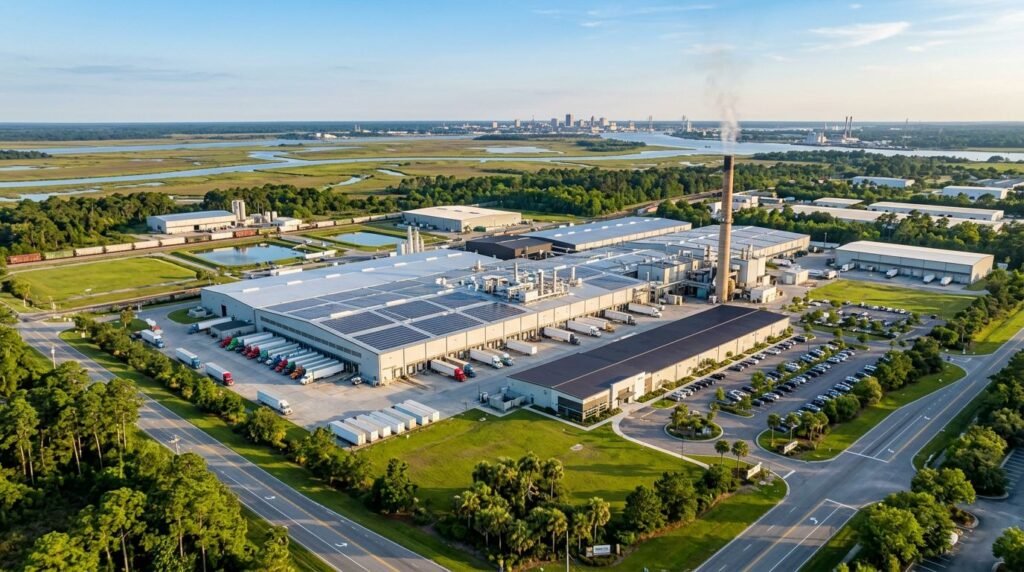
A factory can look strong and still hide a bad deal. If you want to buy manufacturing business opportunities in Georgia or South Carolina, the hard part is not finding machines or square footage. It’s finding solid margins, dependable people, and a plant that fits your plan.
That matters whether you’re eyeing a fabrication shop near Savannah, a food plant outside Macon, or a contract manufacturer inland from Hilton Head. Good buyers move with care, because one smart purchase can pay off for years. Start with the market, then work down to the numbers.
Read the market before you tour the plant
Manufacturing deals are local. A machine shop in Pooler does not trade like one in Dublin or Waycross. Atlanta buyers often pay for labor access and freight reach. Coastal buyers pay for port access, vendor depth, and shipping speed.
Current 2026 data supports that. In northwest Atlanta, industrial sales recently reached $218 million, average pricing hit $112 per square foot, vacancy sat at 9.1 percent, and 4.5 million square feet was under construction. Nationally, manufacturers logged 165 new capital projects in March 2026, worth $8.6 billion. That kind of activity helps smaller suppliers, repair firms, and niche plants.
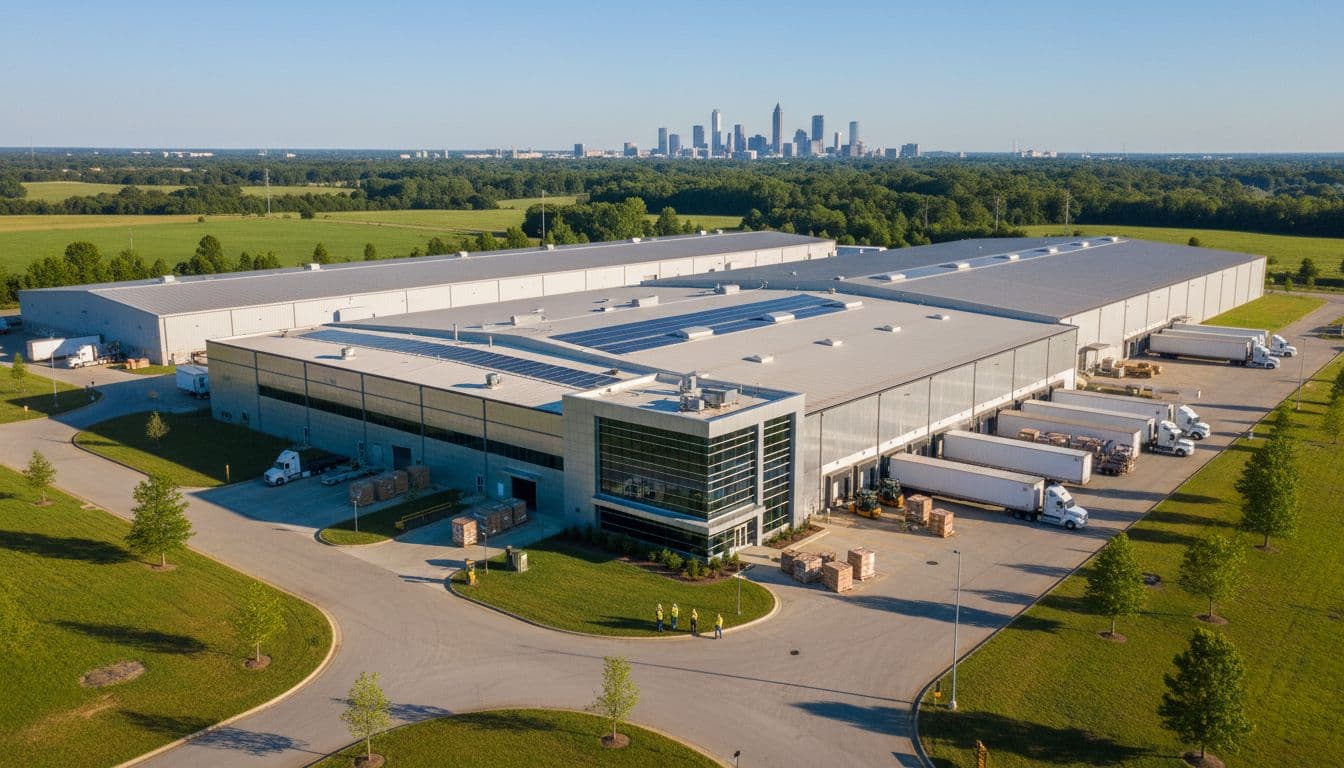
Use the market to frame value, not to excuse weak performance.
| Area | Why buyers care | Main risk |
|---|---|---|
| Georgia | Port traffic, Atlanta distribution, growth in Macon and Warner Robins | Overpaying for location without enough profit |
| South Carolina | Cross-state shipping, light manufacturing depth, lower-cost inland sites | Thin local data, so plant-level review matters more |
That is why broad listing labels can fool you. On marketplaces, you’ll see terms like “Businesses for Sale,” but those tags don’t show customer quality, capex needs, or labor stability.
It helps to compare live inventory. Scan South Carolina manufacturing businesses for sale to see the range of deal sizes and seller expectations. For coastal Georgia, review a Premier South Georgia steel fabrication powerhouse for sale to see how equipment, location, and real estate can change the value story.
Run due diligence like the plant depends on it
A clean floor does not mean clean books. A polished “Business For Sale” package can hide thin margins, stale receivables, or one customer that drives half the revenue.
Start with five years of tax returns and profit-and-loss statements. Then ask for monthly sales by customer, backlog reports, equipment lists, maintenance records, safety logs, permits, and any environmental reports. If the seller cannot produce them fast, slow the deal down.
After that, test the story against the floor. Check scrap rates, on-time delivery, rework, warranty claims, and downtime. Watch how quotes become jobs and how jobs become cash. In Macon or Warner Robins, labor retention may matter as much as machine age. Near Brunswick, Savannah, or Pooler, freight timing can change working capital by a lot.

A strong plant can survive old equipment. Weak reporting can sink a good-looking deal.
Also review what needs fixing after closing. Some plants still rely on paper scheduling, weak inventory controls, or dated cybersecurity. Those issues cost money, even when the machines run well. Pricing examples help here. A live contract manufacturing business in South Carolina can give you a rough sense of how revenue, asset mix, and asking price line up. For a larger Georgia benchmark, look at this turnkey manufacturing services company in booming SE Georgia.
Finally, challenge every add-back. Personal expenses are one thing. Delayed maintenance, unpaid family labor, and missing manager salaries are different. If profit disappears when you normalize payroll, the deal was never as strong as it looked.
Structure the deal around the real estate, risk, and handoff
In this region, the dirt often matters almost as much as the business. Many sellers separate the operating company from the property. You may buy both together, or close on the company and lease the site first.
You will also see terms like CRE, Commercial Real Estate for sale, CRE for Lease, and Commercial Real Estate for Lease in listing packages. Read those words carefully. A crane-ready building near Savannah, or a rail-served parcel near Waycross, may deserve a premium. A worn-out plant on excess acreage may not.
The cleanest structure depends on risk. Asset deals usually give buyers more protection from old liabilities. Stock deals can be simpler when permits, contracts, or licenses are hard to transfer. Either way, pin down four items before you sign:
- Define the working capital target and who keeps aged receivables.
- Decide whether inventory is included and how it will be counted.
- Lock in seller training, customer introductions, and a noncompete.
- Match the real estate terms to your cash needs and growth plan.
This is where buyers get tripped up. A seller may advertise one set of numbers for the company and a separate price for the land. That can still be a good deal, especially when the site supports expansion. But if you need cash for upgrades, staff, and raw materials, too much money tied up in property can box you in.
The best handoffs are plain and practical. You want six to twelve months of real support, not a week of promises and a handshake.
Buying a manufacturing business in Georgia or South Carolina is part math, part judgment, and part local knowledge. The machinery matters, but cash flow, labor, and location matter more.
Move slowly enough to verify the story. When the books are clean, the real estate fits, and the seller stays involved after closing, you’ve got the kind of deal that can hold up long after the tour is over.
We are Members of the Georgia Association of Business Brokers and Realtors, Commercial Alliance, Georgia Association of Realtors, and National Association of Realtors