
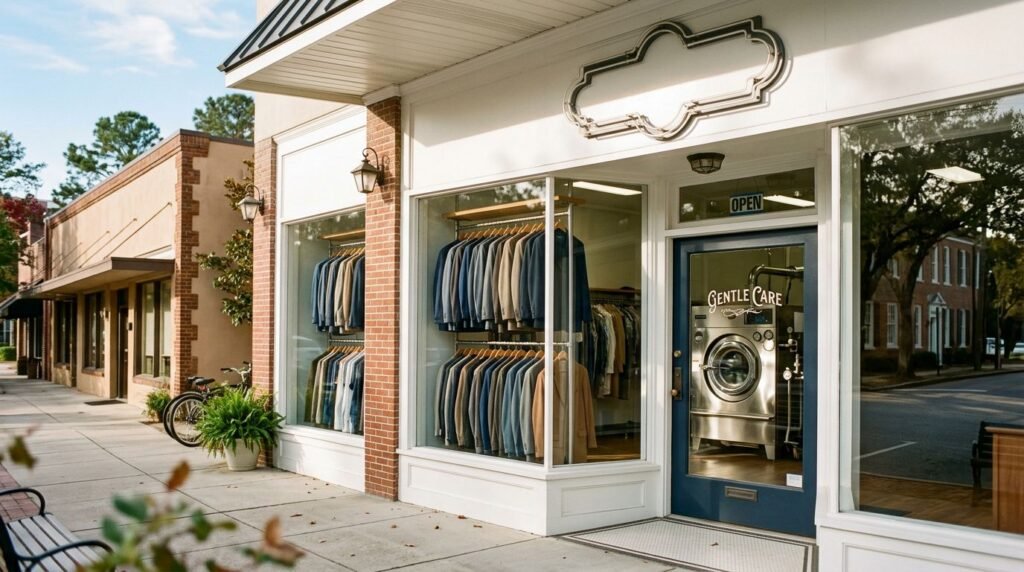
A dry cleaner can look simple from the sidewalk. Behind the counter, though, it’s part retail shop, part production floor, part environmental file.
If you want to buy a dry cleaning business in Georgia or South Carolina, don’t stop at the seller’s cash flow sheet. You need to know what you’re buying, what can go wrong, and what makes one location worth the risk while another should stay on the market.
Let’s start with why this niche still gets serious attention from buyers across the Southeast.
Why dry cleaning still attracts buyers in the Southeast
Dry cleaning is one of those businesses people underestimate. It isn’t flashy. It doesn’t have the buzz of a tech startup or a trendy franchise. But it can throw off steady revenue when the customer base is loyal, the route work is solid, and the owner hasn’t let the equipment drift into old-age chaos.
That matters in Georgia and South Carolina, where local patterns create real opportunity. In Savannah and Pooler, you’ve got a mix of household customers, hospitality demand, and commuter traffic. Atlanta brings density, office wear, and higher-volume storefront potential. Macon, Warner Robbins, Brunswick, Dublin, and Waycross often play more relationship-driven, where reputation carries serious weight. On the coast, Hilton Head can bring seasonal swings, but also strong ticket averages in the right location.
Not every store looks the same, either. Some are full plants that clean on site. Some are drop stores that send work elsewhere. Others layer in alterations, wash-and-fold, route pickup, or hotel and restaurant accounts. That mix changes the value fast.
If you’re still learning the basics of buying a business, it helps to step back before you zero in on one listing. A cleaner with modest numbers but strong systems can beat a bigger shop with weak records every time.

The appeal, then, isn’t mystery. It’s predictability. People still need garments cleaned, altered, pressed, and picked up on time. The question isn’t whether the industry can work. The question is whether this business works, in this market, under your ownership.
Understand the deal before you fixate on the asking price
Buyers love to ask, “What’s the multiple?” Fair question. Wrong first question.
Start with the structure of the deal. Are you buying assets only, or the legal entity too? Is the equipment owned, financed, or leased? Are customer routes part of the sale? Will the phone number, trade name, website, and delivery vans transfer? Does the seller own the building, or are you stepping into a lease that has two years left and a landlord who doesn’t like surprises?
You’ll also notice that listings aren’t always labeled in a clean, helpful way. One cleaner may show up as a Business For Sale. Another may sit inside a broker’s page of Businesses for Sale with only broad numbers. That doesn’t tell you enough. You have to dig underneath the headline.
The real estate piece can change the deal even more. Some opportunities include CRE, meaning the building is part of the package. Others come with Commercial Real Estate for sale as a separate line item. In many cases, the business transfers but the site stays with the landlord, which turns your attention to CRE for Lease terms or standard Commercial Real Estate for Lease negotiations.
That’s why dry cleaning buyers need to read the fine print before they fall for the top-line revenue. A practical SBA acquisition guide for buying a dry cleaner makes the same point, especially around lease terms, seller cooperation, and environmental review.
A simple store can hide a complicated transaction. Think of it like buying a house and finding out the roof, the driveway, and half the appliances belong to three different people. You’d slow down, right? Same idea here.
Review the numbers like an owner, not like a dreamer
A dry cleaner lives or dies by verified volume. Not stories. Not memory. Not, “We’ve always done well here.”
Ask for at least three years of tax returns, profit and loss statements, and monthly sales reports. Then go deeper. Break revenue into dry cleaning, laundry, alterations, route service, commercial accounts, and any pickup or delivery work. If alterations carry the margin, you need to know whether the tailor is staying. If route sales look strong, you need route logs and customer concentration.
Deposits matter too. If the business claims heavy cash revenue, compare that claim to bank statements, point-of-sale records, ticket counts, and tax filings. A seller may believe the business is worth more than the paper shows. Lenders and buyers don’t pay for belief.
If cash sales can’t be traced to tickets, deposits, and tax returns, treat them as hope, not earnings.
Look at seasonality. Savannah and Hilton Head can have swings tied to tourism and events. Atlanta may show steadier business traffic. Smaller markets like Dublin or Waycross might rely more on repeat households and local employers. Ask for monthly trends, not annual averages only.
Don’t stop with revenue. Review labor, utility costs, rent, chemical and supply expense, repair history, and re-clean rates. A plant with rising repair bills and shrinking gross margin can fool you if the owner adds back every expense under the sun.
You also want to know what a normal owner actually does each day. Some stores look easy because the seller works 60 hours a week and doesn’t pay themselves a fair market wage. That’s not passive income. That’s a job in disguise.
If you want a quick grounding in the buyer-side process, B3’s common questions when buying a business is a good checkpoint before you move from interest to offer.
Environmental and compliance checks are where dry cleaning deals turn serious
This is the part buyers like to rush. Don’t.
Dry cleaners can carry environmental baggage from years ago, even when the current owner has been careful. Older operations often used PERC, also called PCE, or other solvents that can affect soil, groundwater, and nearby structures if spills or leaks occurred. If that happened on the site, you don’t want to discover it after closing.
That means you need site history. Ask what solvents were used, when they were used, whether the business ever had spills, whether underground storage tanks existed, and whether prior environmental reports are on file. Review waste-hauler records, inspection files, permits, and any notices from state or local regulators.
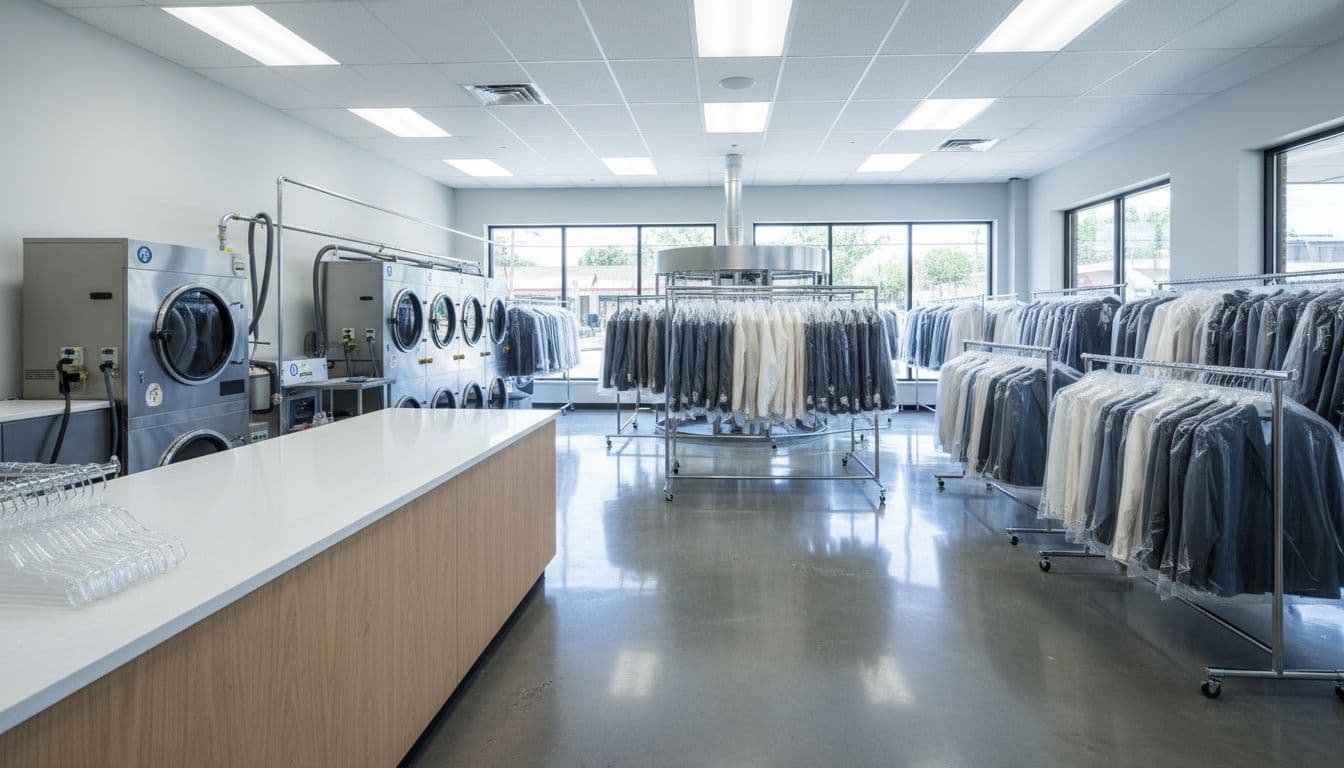
A Phase I Environmental Site Assessment is often money well spent. If that review finds red flags, a Phase II may follow. Yes, it adds cost. No, it’s not the place to get cheap. A focused dry cleaning due diligence guide lays out why lenders and buyers take this seriously, especially where old solvent use and lease dependence collide.
South Carolina deserves extra attention here. The state has dry cleaner-specific rules and a Drycleaning Facility Restoration program, so you need to know whether the site has any past or current status tied to that system. Georgia buyers should press hard on historical solvent use, prior contamination work, and whether any cleanup exposure still hangs over the property.
Here is the short version:
| Issue | Georgia | South Carolina |
|---|---|---|
| Main environmental concern | Historical PERC or solvent contamination, spills, tanks, prior reports | Same contamination risk, plus dry cleaner-specific state rules |
| Buyer follow-up | Review permits, site history, and any remediation records | Review permits, site history, and whether restoration program issues exist |
| Deal effect | Phase I is common, Phase II if flags show up | Same, and state program status can affect timing and risk |
The takeaway is simple. Both states demand real diligence, but South Carolina often asks one more layer of questions.
Compliance goes beyond the dirt, too. Check OSHA practices, hazardous waste handling, wastewater disposal, equipment maintenance logs, and machine age. Then verify whether the presses, boilers, conveyors, and dry cleaning machines are owned free and clear. If a machine note or lease still exists, that affects value and closing terms.
For buyers who want the legal side spelled out, this M&A legal guide for dry cleaning acquisitions is a helpful companion to the environmental review. It hits many of the same pressure points, site risk, lease language, equipment liens, and what should show up in diligence.
This is where smart buyers separate themselves from emotional buyers. Pretty front counter. Fresh paint. Nice logo. Fine. But if the site history is messy, the business can come with a bill you never meant to buy.
Lease terms, location, and local market fit can make or break the store
A lot of buyers look at a dry cleaner and think foot traffic first. That’s only part of it.
Start with the lease. Can it be assigned? How many years remain? What are the renewal options? Is there a personal guarantee? Does the landlord control signage, parking, hours, or use restrictions? If the business is a drop store, can the lease still work if production moves? If it’s a plant, does the lease say anything about environmental indemnity?
Rent matters, but ratio matters more. A strong store can handle higher occupancy cost if ticket volume is dependable. A weak store can drown in cheap rent if the market is fading.
Then look outside the four walls. In Pooler, rapid retail growth can help visibility but raise rent pressure. In Savannah, a neighborhood shop may live on repeat local customers more than drive-by traffic. Atlanta locations need density, convenience, and a realistic labor plan. Macon and Warner Robbins stores may lean more on long-term customer habits. Brunswick can mix local repeat business with port-related and coastal activity. Dublin and Waycross often reward clean service, owner presence, and community trust. Hilton Head can be attractive, but you need to understand seasonality and staffing.
Location also shapes the best model. A dense urban corridor may support a premium drop store with delivery. A smaller town might do better with one plant and several feeder points. A busy road doesn’t automatically mean a good business. You need the right customer base, parking, access, and service mix.
Ask a simple question: if the current owner vanished tomorrow, would customers stay because of the brand and convenience, or would revenue slip because they were loyal to the person? That’s a big difference.
Financing, valuation, and the team you want beside you
A dry cleaning business isn’t valued on one rule alone. Buyers pay for verified earnings, asset condition, lease quality, route durability, and risk. A plant with newer equipment, strong commercial accounts, and clean environmental history will usually command better pricing than a single-store operation with old machines and fuzzy books.
SBA financing may be available for some deals, but lenders will want clean records, a fair down payment, and strong environmental diligence. Seller notes can help bridge valuation gaps. They also keep the seller tied to the truth of the numbers. If the owner is confident, a note often proves it.
Your letter of intent should cover more than price. Spell out what assets transfer, how inventory gets counted, how training works after closing, whether accounts receivable stay or go, and what happens if diligence uncovers equipment liens or site issues. If the property comes with the sale, the deal may blend operating business value with real estate value. If not, lease approval becomes a closing condition, not an afterthought.
This is also where a good team earns their fee. A business broker helps with market pricing and deal flow. A CPA tests the earnings. A transaction attorney handles the purchase agreement and lease issues. An environmental consultant reviews site risk. A mechanic or equipment technician can tell you whether the pressing line is healthy or one breakdown away from pain.
If you want a broader road map before writing an offer, B3’s business acquisition guide is a practical place to start. It won’t replace deal-specific advice, but it will keep you from walking in blind.
Y’all don’t need a perfect deal. You need a clear one. Clear books. Clear site history. Clear lease. Clear handoff. That’s how you buy with confidence in Georgia and South Carolina.
Conclusion
A dry cleaner can be a smart buy, but only when the numbers, the lease, and the environmental story all line up. The storefront may be tidy and the seller may be charming, yet the real value sits in what can be verified.
The best buyers stay curious longer than everyone else. They ask the extra question, read the old report, and slow down before signing. That’s how a good business stays a good deal after closing.
We are Members of the Georgia Association of Business Brokers and Realtors, Commercial Alliance, Georgia Association of Realtors, and National Association of Realtors