

One lease can look cheap until the first tax bill lands. That’s why triple net lease vs gross lease matters so much in Georgia and South Carolina.
If you’re opening in Pooler, buying a Business For Sale in Savannah, or sizing up CRE in Atlanta, the lease can help your cash flow or squeeze it. The label on page one never tells the whole story.
The real difference is who carries the operating costs
A triple-net lease means the tenant pays base rent plus property taxes, insurance, and common area or maintenance costs. A gross lease wraps most of that into one rent payment, so the landlord carries more of the day-to-day risk.
That difference sounds simple, but it changes how you budget, negotiate, and value a property. In practice, triple-net often shows a lower base rent, while gross rent looks higher because the landlord builds those costs into the number.
Here’s the fast side-by-side view:
| Lease type | What the tenant usually pays | What the landlord usually pays | Common fit |
|---|---|---|---|
| Triple-net | Base rent, taxes, insurance, CAM, many repairs | Limited operating costs | Retail, industrial, single-tenant |
| Gross | One set rent, sometimes utilities | Taxes, insurance, maintenance | Office suites, smaller users |
| Modified gross | Base rent plus selected extras | Shared by lease terms | Multi-tenant buildings |
The takeaway is simple. Triple-net can look cheaper at first glance. Gross usually feels easier to budget.
In Savannah, Macon, Atlanta, and Hilton Head, the right answer depends on your margin and your tolerance for surprise costs. As of April 2026, no major Georgia or South Carolina law has changed these lease types directly. Still, local tax rates, occupancy rules, and insurance costs can swing the real number. A useful Georgia leasing guide explains gross, NNN, and CAM clearly.
Why triple-net leases often win in retail and industrial space
Triple-net leases show up everywhere retail and industrial space needs clean math. Think single-tenant stores in Pooler, warehouse sites near Brunswick, or service buildings in Waycross and Dublin. In Georgia, y’all see this all the time around port traffic and highway corridors.
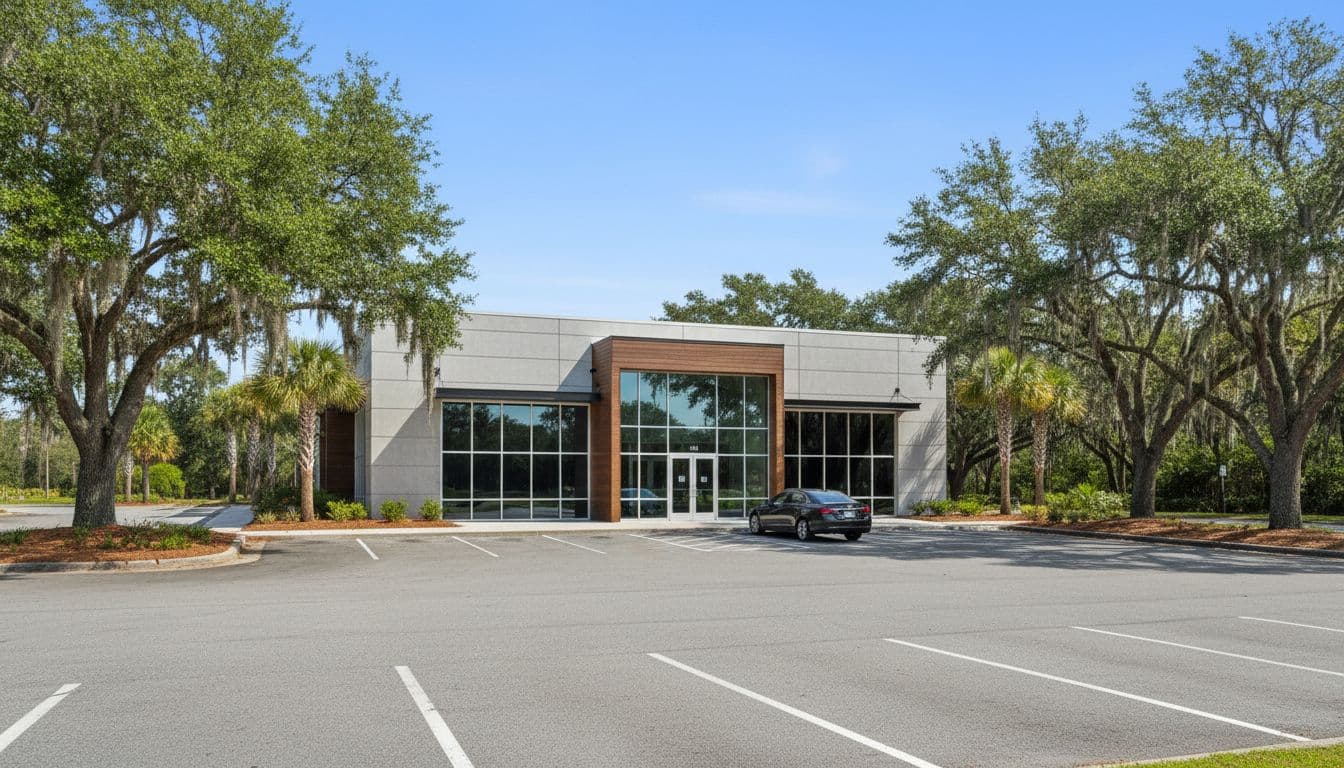
Landlords like NNN because the income is easier to predict. Tenants often like the lower base rent and the extra control over upkeep. Yet control cuts both ways. If taxes rise or the parking lot needs work, the bill usually lands on the tenant.
That becomes a big issue when buyers review 24 Businesses for Sale in Georgia Spring 2026. Buyers often focus on revenue and miss the lease. A Business For Sale with solid sales can still disappoint if the roof, HVAC, or CAM charges aren’t clear. The same thing happens with Businesses for Sale in fast-growth areas, where occupancy costs move faster than owners expect.
In a triple-net lease, low base rent doesn’t always mean low occupancy cost.
This is also where deal structure matters. Some listings include Commercial Real Estate for sale, which lets the buyer control the site long term. Others depend on CRE for Lease, and that means landlord consent, renewal rights, and repair language matter almost as much as price. If you’re on the South Carolina side, this Charleston guide to triple-net leases gives a local owner view.
Why gross leases still make sense for offices and newer operators
Gross leases still make sense when cash flow certainty matters more than control. That’s why you see them in multi-tenant offices in Atlanta, medical suites in Macon, and service space around Hilton Head or Warner Robins.

For a newer operator, fixed rent can feel like guardrails on a mountain road. You know the payment. You can plan payroll, marketing, and inventory without guessing next quarter’s tax or insurance jump. For buyers comparing Businesses for Sale, that predictability can protect thin first-year margins.
Gross leases also fit markets with seasonal swings. A shop near Hilton Head or a service business near downtown Savannah may value steady overhead more than a lower rent teaser. The landlord keeps more responsibility, and the tenant gets cleaner forecasting.
Still, gross doesn’t always mean fully all-in. Some landlords pass through utilities. Others raise charges above a base year, which turns the lease into a modified gross deal. This Atlanta look at modified gross vs NNN is a good reminder to read the math, not the label. In CRE, that becomes extra important when a listing includes Commercial Real Estate for Lease and the landlord controls future pass-throughs.
Read the clauses, not only the headline
The lease label is the headline. The contract is the story. Read renewal rights, assignment rules, default cure periods, insurance limits, and who pays for the roof, structure, and HVAC.
No matter which state you’re in, local zoning, tax bills, and occupancy rules still shape the risk. That’s why a gross lease can act like a modified gross lease, and a triple-net lease can shift more burden than you expected.
If you’re buying both the company and the building, financing shapes the answer too. This SBA 7(a) vs 504 loan guide for Georgia business purchases helps frame the choice between Commercial Real Estate for sale and staying in Commercial Real Estate for Lease.
The cheapest lease on page one can cost the most by year two. That’s the heart of triple net lease vs gross lease in Georgia and South Carolina.
Before you sign in Savannah, Pooler, Atlanta, or anywhere in between, model your full occupancy cost. Then match the lease to your business, not the other way around.
We are Members of the Georgia Association of Business Brokers and Realtors, Commercial Alliance, Georgia Association of Realtors, and National Association of Realtors