
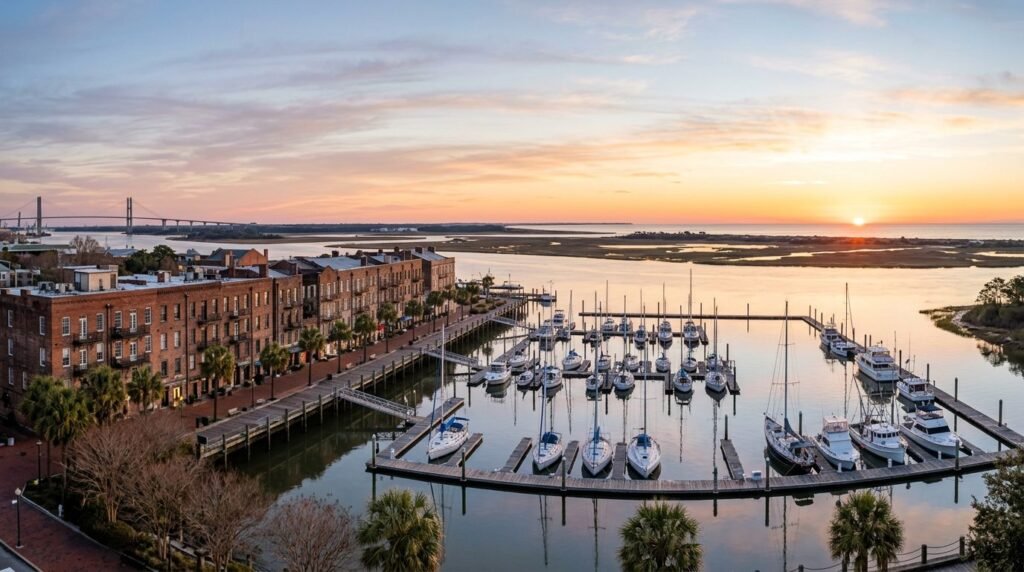
A packed marina in July can look like easy money. January tells the truth.
That doesn’t mean you should avoid coastal deals. It means a smart seasonal business acquisition in Savannah, Pooler, or Brunswick starts with the slow months, not the busy ones. Buy the rhythm of the business well, and seasonality can become a pricing edge instead of a warning sign.
In March 2026, public listings across coastal Georgia still show steady interest in tourism, food service, retail, and travel-related operations. Some are classic summer plays. Others get a lift from snowbirds, port activity, or year-round locals. The point is simple, strong peak months matter, but steady off-season survival matters more.
Why Coastal Georgia Seasonality Isn’t a Deal Killer
Coastal Georgia has a pattern, and patterns are easier to buy than chaos. Savannah fills up with visitors, Tybee gets its beach traffic, Brunswick sees coastal movement, and Pooler benefits from airport and highway flow. That swing can create strong revenue bursts from spring through late summer.
When you scan Businesses for Sale in Savannah or Brunswick, don’t confuse seasonality with weakness. A predictable surge is easier to underwrite than erratic demand. Any Business For Sale tied to tourism will look better during festival weekends and summer travel, but the real value comes from knowing how management handles the quiet stretch.
Current public listings reflect that range. You’ll see hospitality, retail, and service businesses alongside more stable operators in the same market. If you want a sense of what’s active now, these 24 businesses for sale in coastal Georgia show how broad the opportunity set can be.
The market backdrop also helps. Recent hospitality deal activity, including WTOC’s report on the Westin Savannah Harbor sale, signals that serious buyers still like Savannah’s long-term story. That matters because local optimism can support resale value later.
Savannah also doesn’t stand alone. Hilton Head spillover, Brunswick coastal traffic, and Pooler’s growth widen the customer base. As a result, buyers from Atlanta, Macon, and Warner Robins keep looking east for both returns and lifestyle.
Predictable seasonality is manageable. Surprise seasonality is expensive.
Read Monthly Cash Flow, Not Annual Averages
Annual revenue can hide a lot. A coastal restaurant, charter operator, or gift shop may earn half its money in a few months, while rent, insurance, payroll, and debt run all year. That’s why monthly detail matters more than a glossy annual summary.
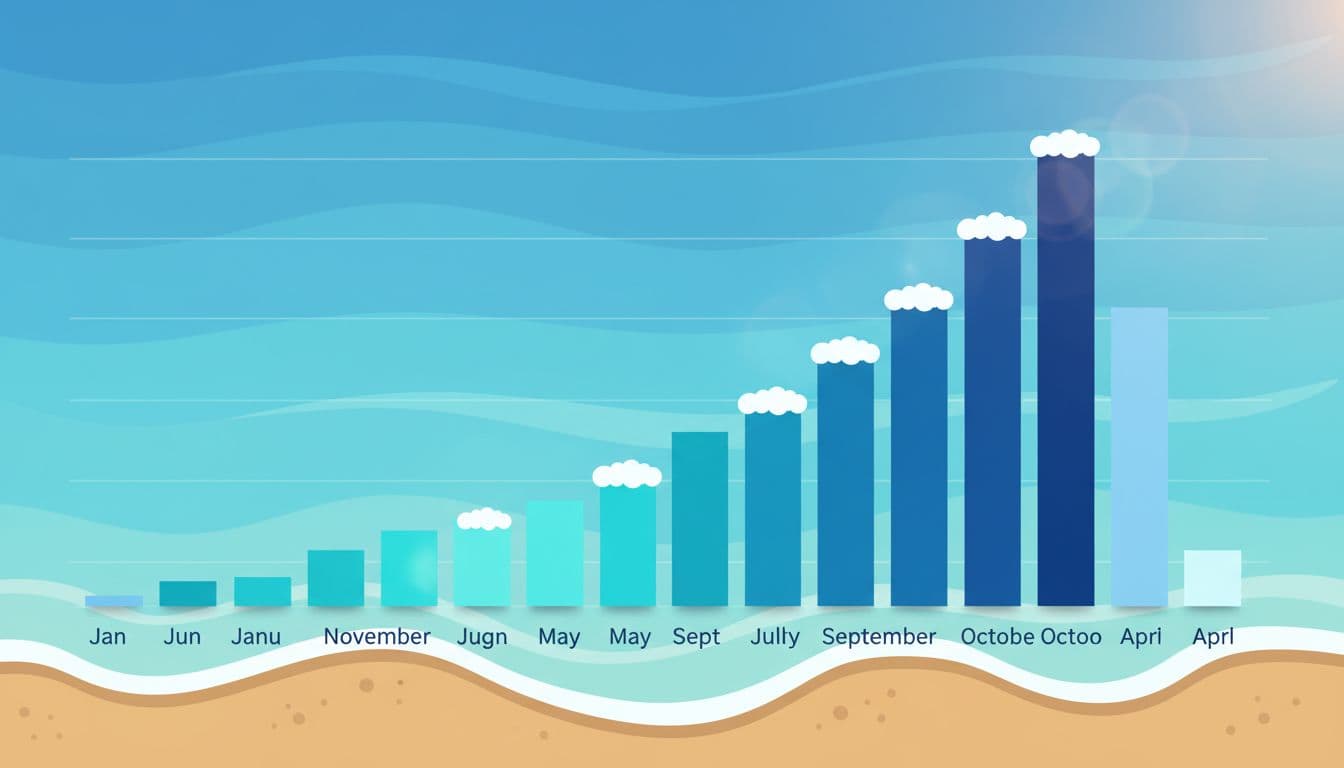
Ask for at least 36 months of monthly profit and loss statements, bank statements, sales tax returns, and merchant processing reports. Then compare each year side by side. If June and July are always strong, that’s healthy. If one great season only happened because the owner skipped maintenance or cut staff too deeply, that’s trouble.
This short checklist keeps the review grounded:
| Document | Why it matters | What to watch |
|---|---|---|
| Monthly P&Ls | Shows revenue swings and margin changes | Big jumps with no clear reason |
| Bank deposits and card reports | Confirms sales quality | Reported sales that don’t match deposits |
| Payroll by month | Reveals staffing strategy | Peak staffing with weak service, or winter overstaffing |
| Fixed costs | Shows off-season pressure | Rent, insurance, or utilities that eat winter cash |
The takeaway is simple, the pattern matters more than one record month.
Service businesses can be seasonal too. For example, an I-95 RV service with seasonal snowbird demand may rise when travelers move through Savannah in waves. That can be a solid deal, but only if the staffing plan, parts inventory, and working capital match the slow months.
Banks care about the same story you do. If the business needs a perfect summer to survive winter, slow down. Also review owner add-backs with a cold eye. Some are fair. Some are little more than wishful math.
Peak season pays you, off-season working capital keeps you in business.
Real Estate, Leases, and Weather Risk Matter More on the Coast
The location may be the magic, but the occupancy terms shape the return. A waterfront concept in Savannah and a highway-visible shop in Pooler can post similar sales, yet one may have far better parking, lease options, and storm protection.

This is where CRE matters. Some deals include property. Others sit in space marketed as CRE for Lease. You may find a marina yard or restaurant bundled with Commercial Real Estate for sale, while a boutique, café, or service company may only come with Commercial Real Estate for Lease. Either setup can work, but rent bumps, common area charges, renewal options, and assignment rights all change the deal.
On the Georgia coast, weather risk belongs in the same review. Price flood, wind, and business interruption coverage before you sign a letter of intent. Also confirm who handles roof repairs, dock work, HVAC replacement, drainage, and storm cleanup. Those costs can turn a good deal thin in a hurry.
Real estate trends give useful context too. Pier Commercial’s analysis of the Westin Savannah Harbor sale points to continued confidence in Savannah hospitality assets. That doesn’t mean every deal is good. It does mean strong locations still attract capital when the lease, insurance, and cash flow line up.
The best coastal acquisitions often blend visitor traffic with year-round demand. That mix could be locals, contractors, online sales, repeat service, or business customers. In other words, the smoother the winter, the stronger the purchase.
Coastal Georgia can be an excellent place to buy, but only if you respect the calendar. A summer rush may catch your eye, yet cash flow in the slow season protects your investment. Study monthly trends, working capital, lease terms, and real estate exposure before you commit. Buy the off-season first, and the busy months become the upside, not the rescue plan.
We are Members of the Georgia Association of Business Brokers and Realtors, Commercial Alliance, Georgia Association of Realtors, and National Association of Realtors