
Buying a restaurant in Savannah can feel like buying a house near the beach. The photos look great, the foot traffic feels endless, and you can already picture a packed dining room on a Saturday night.
Then reality taps you on the shoulder: those “beer and wine rights” everyone talks about aren’t a set of keys you can simply pick up at closing. They refer to an Alcoholic Beverage License required for owners, and getting a Savannah beer wine license is a process, so if you plan for it early, you can avoid costly downtime.
This guide breaks down how buyers in Savannah (and folks coming in from Pooler, Atlanta, Hilton Head, Macon, Warner Robbins, Brunswick, Dublin, and Waycross) can buy the right restaurant and reopen with beer and wine sales under the common Consumption on premises models as soon as possible.
Start with the right listing, because “beer and wine included” can mislead
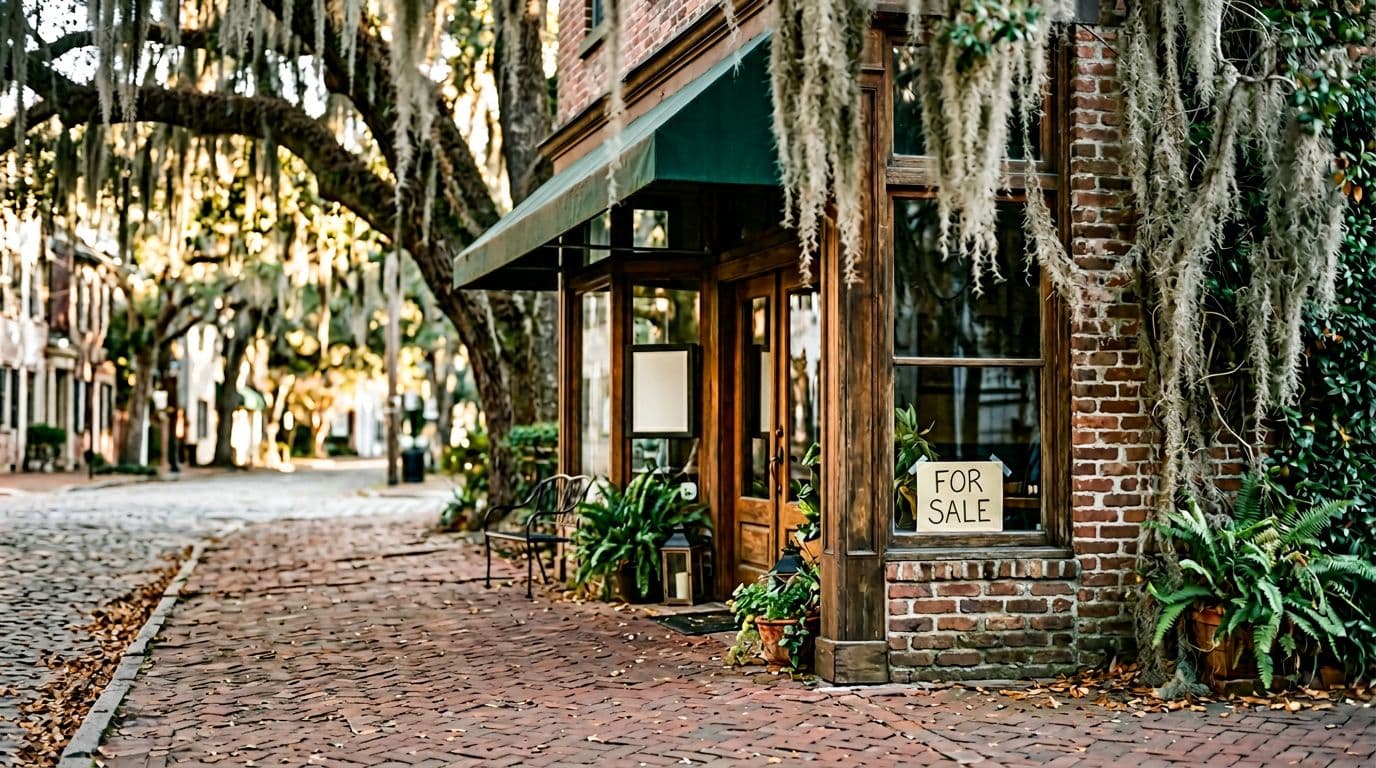
When you search Businesses for Sale, you’ll see listings that say “malt beverages and fortified wines license in place” or “malt beverages and fortified wines rights available.” That can be true and still not mean what buyers hope it means.
Whether a business is in the city limits or Unincorporated Chatham County, the buyer must consult the Local licensing authority twice to understand the Alcoholic beverage ordinance.
In Savannah, you’re dealing with two tracks: the City of Savannah alcohol license and the State of Georgia alcohol license. When ownership changes, you should expect to apply again rather than “take over” someone else’s approval. The seller’s prior Alcoholic Beverage License history still matters, but it doesn’t replace your application.
To ground yourself in the real rules, start with the Local licensing authority’s official guidance on local licensing requirements: City of Savannah alcohol licensing.
So what should you ask for before you get serious about a Business For Sale listing?
- Copies of current malt beverages and fortified wines licenses: You want to confirm the license class and whether it’s an on-premises Retail alcohol license, which differs significantly from a Retail package store or a Brewpub license.
- Any prior violations or hearings: Surprises here can slow approvals.
- Hours and entertainment details: Late-night operations and live entertainment can trigger extra planning.
- Floor plan and seating mix: A “restaurant” classification often expects real food service, not just snacks.
- Landlord contact and lease basics (if applicable): If you can’t secure the space, you can’t secure the license.
A seller can truthfully say “licensed today.” That doesn’t guarantee you can pour tomorrow.
One more early decision: asset sale or stock sale. Most small restaurant deals are asset purchases, and that’s normal. Still, your attorney should confirm how the deal structure impacts licensing, permits, and contracts tied to the entity.
Due diligence that protects your ability to qualify for beer and wine
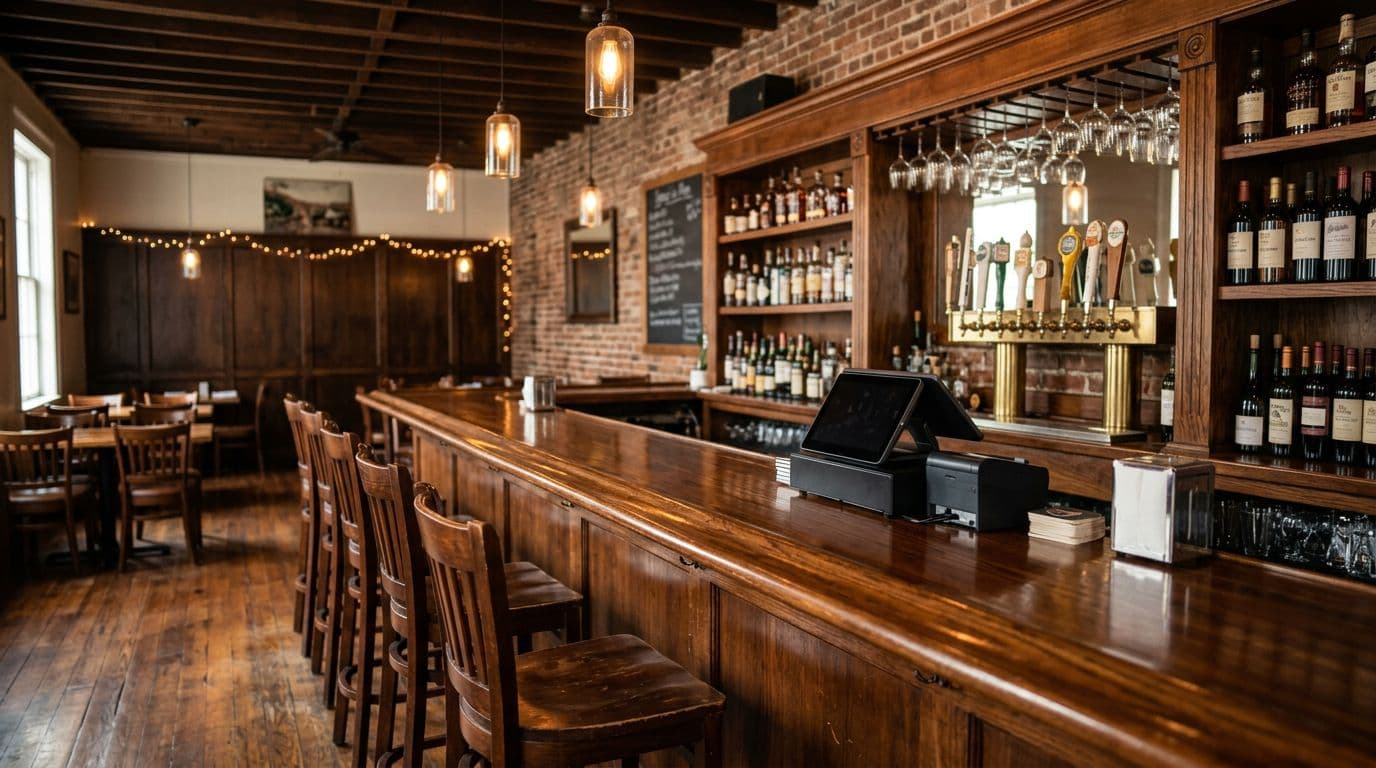
Think of alcohol approval like a boarding pass. You can’t print it if your name doesn’t match the reservation. In restaurant terms, your “reservation” is the concept, the location, and your ability to meet local requirements.
In Savannah, a common pressure point is proving you’re a restaurant, not a bar pretending to be one. The City’s process can require a Food and Alcohol Affidavit, which is intended to show food sales exceed a certain threshold for the restaurant class. That means your diligence should include real sales detail, not just a seller’s verbal promise.
Ask for POS reports that separate food from alcohol. Review menus, prep capacity, and kitchen equipment. If your plan is to “flip” the concept into something bar-forward, pause and confirm the license class you’ll pursue can support it.
If the restaurant will also serve distilled spirits or spirituous liquor, the buyer must account for the excise tax on liquor.
Savannah may also require items that buyers sometimes overlook until the last minute, such as:
- A typed public safety plan (and an added late-night plan if you’ll operate late or host entertainment, or a Sunday sales license as a necessary addition for weekend brunch service)
- Dram shop or general liability insurance at the minimum level required by the City
- Passing fire and health sign-offs tied to the space and Certificate of Occupancy
The City of Savannah Revenue Division oversees the local background investigation for all applicants. The fastest way to understand the document package is to read the City’s published checklist: Savannah alcohol license requirements (PDF).
Now zoom out to the real estate angle, because your license depends on your address.
If the deal includes the building, you’re evaluating CRE alongside the business. In that case, you’re effectively buying a restaurant plus Commercial Real Estate for sale, and you’ll want zoning, parking, and use confirmation early.
If you’re taking over a lease, the rules of the game change. Many restaurant purchases live or die on lease terms, especially assignment consent and use clauses. When you see a space marketed as CRE for Lease or Commercial Real Estate for Lease, it’s a reminder that the landlord controls a key piece of your timeline.
A clean deal file includes a signed lease or binding lease assignment terms before you bet on an alcohol approval date.
Closing the deal without losing months of beer and wine sales
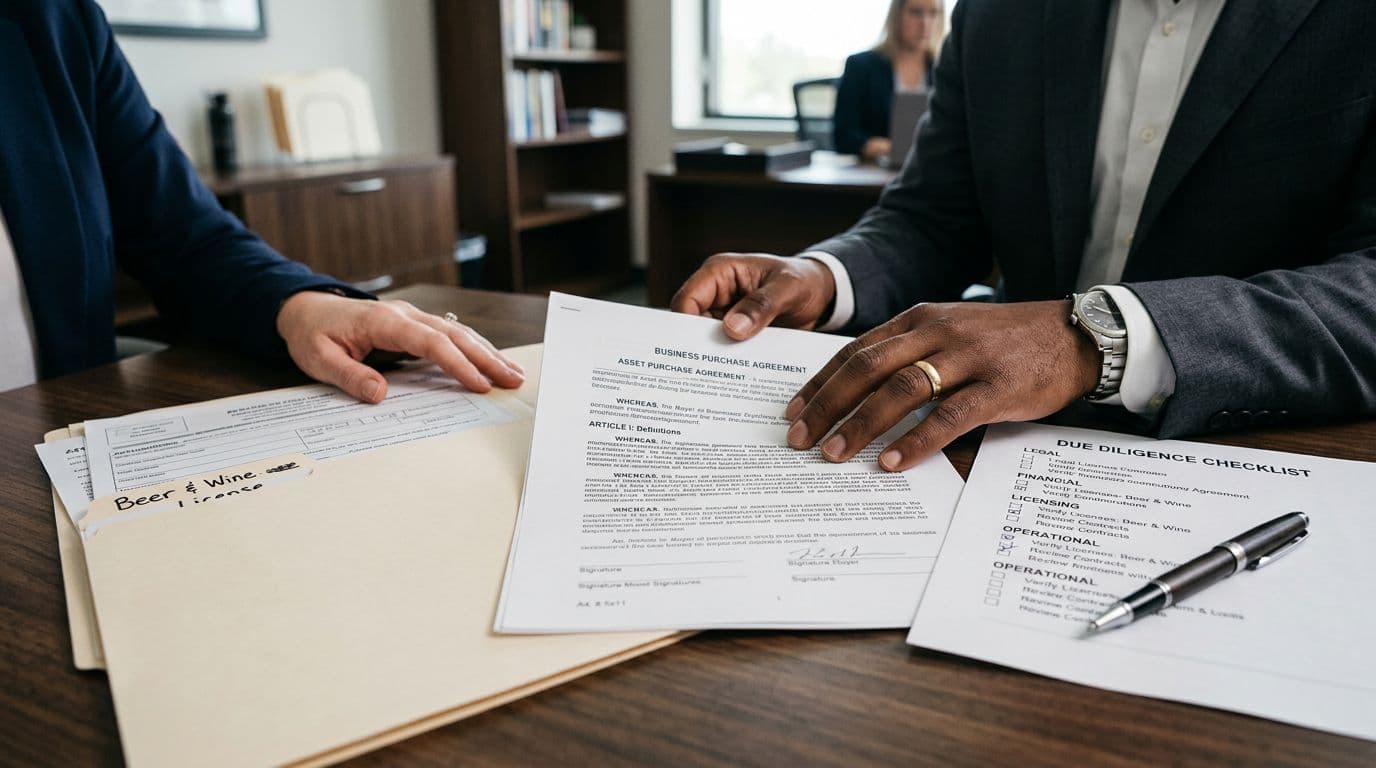
A smart buyer treats licensing like a critical path item, right next to financing and the lease. The goal is simple: close with clear conditions, then apply fast.
Here’s a practical sequence that keeps you moving:
- Write your LOI with licensing protections: Make the purchase contingent on being eligible to apply, and on securing the lease or property rights.
- Lock down site control: The City typically wants proof of ownership interest, such as a lease, sublease, or sales contract.
- Get the business tax certificate process started: Coordinate with the Occupational Tax Office. In Savannah, this step often comes before the alcohol license process.
- Schedule the Alcohol Review Committee meeting: Savannah uses an Alcohol Review Committee step, and timing matters.
- Submit the full City application on time: Savannah’s requirements can include a deadline after the committee meeting, so don’t drift.
- After City approval, apply for the State alcoholic beverage license: Georgia’s alcohol licensing runs through the Georgia Department of Revenue’s Centralized alcohol licensing portal on the Georgia Tax Center. Their overview is here: Georgia DOR alcohol license application.
- Complete the Fingerprint process for owners and obtain Alcohol server permits for staff: These requirements support your applications and operations.
- Plan operations for the gap: You may need to open without alcohol, or delay opening, depending on your approval dates.
Savannah also has fees, including the Application fee, that belong in your early budget planning (for example, separate beer and wine application fees). On top of that, expect background checks and required documentation to take real time.
Because rules and enforcement can shift, it helps to keep an eye on statewide context as well, including summaries of Georgia alcohol rules: Georgia alcohol laws and trends.
One more closing tip that saves headaches: negotiate seller cooperation in writing. You may need the seller’s old license documents, signage details, or even clarification letters to satisfy a reviewer. Wholesalers and distributors cannot deliver until the license is active, so calendar your future Alcohol license renewal too. If you expect the seller to help after closing, define what “help” means and how long they must provide it.
If alcohol sales are a big part of cash flow, build a calendar and a cash buffer. Hope isn’t a strategy.
Conclusion
Buying a Savannah restaurant with beer and wine rights is absolutely doable, but it rewards buyers who plan like operators. Find a solid location, secure the real estate terms, verify the concept can qualify, then move quickly through the City and State steps. When you treat the Savannah beer wine license process as part of the purchase (not an afterthought), you protect your opening date and your revenue. Once the restaurant is established, the owner may apply for a Special Event Permit or a Temporary alcohol event permit for outdoor festivals, or secure a Temporary alcohol event permit for grand opening celebrations. These rules apply differently if the buyer is a Non-profit organization.
The best question to ask yourself is simple: are you buying a restaurant, or are you buying a timeline?
Best Business Brokers (B3) | Savannah, Georgia | b3brokers.com| We are Members of the Georgia Association of Business Brokers Georgia Association of Business Brokers, and Realtors Commercial Alliance Realtors Commercial Alliance, Georgia Association of Realtors Georgia Association of Realtors, and National Association of Realtors National Association of Realtors, and Savannah Area Chamber of Commerce Savannah Area Chamber of Commerce.